
Photography in India
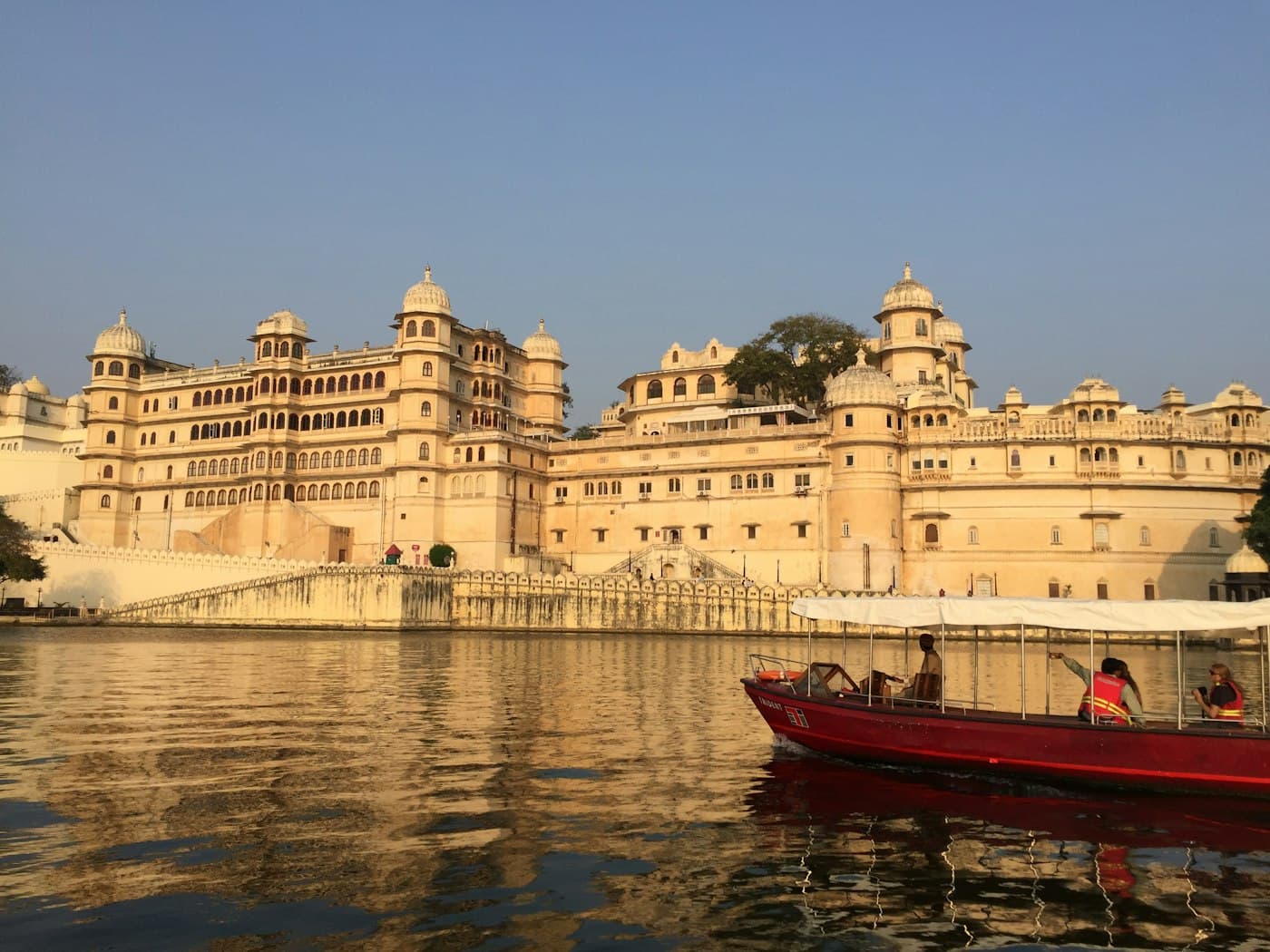
India's strongest photography comes from getting the timing and access right rather than any special gear: dawn on the Varanasi ghats during the morning aarti, golden-hour light on Rajasthan's forts and dunes, and a guide who knows which vantage points work and which are off-limits, since drones and even some tripod setups are restricted at many monuments.
- 2
- experiences
- Private, tailor-made
- Ministry of Tourism approved
Showing 5 results
Varanasi Photo Tours
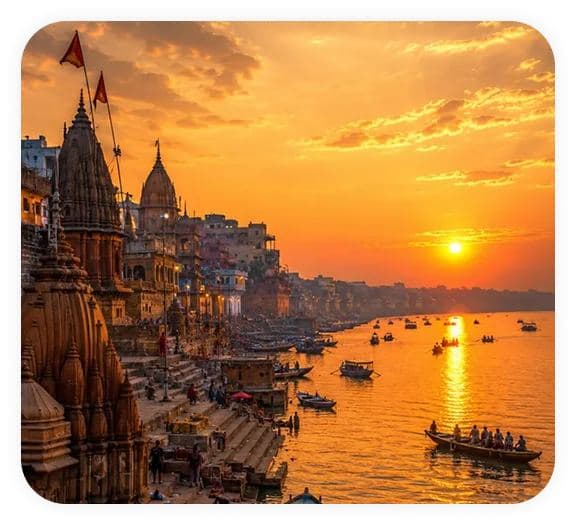
Varanasi photo tour
cancellation
Rajasthan Photography
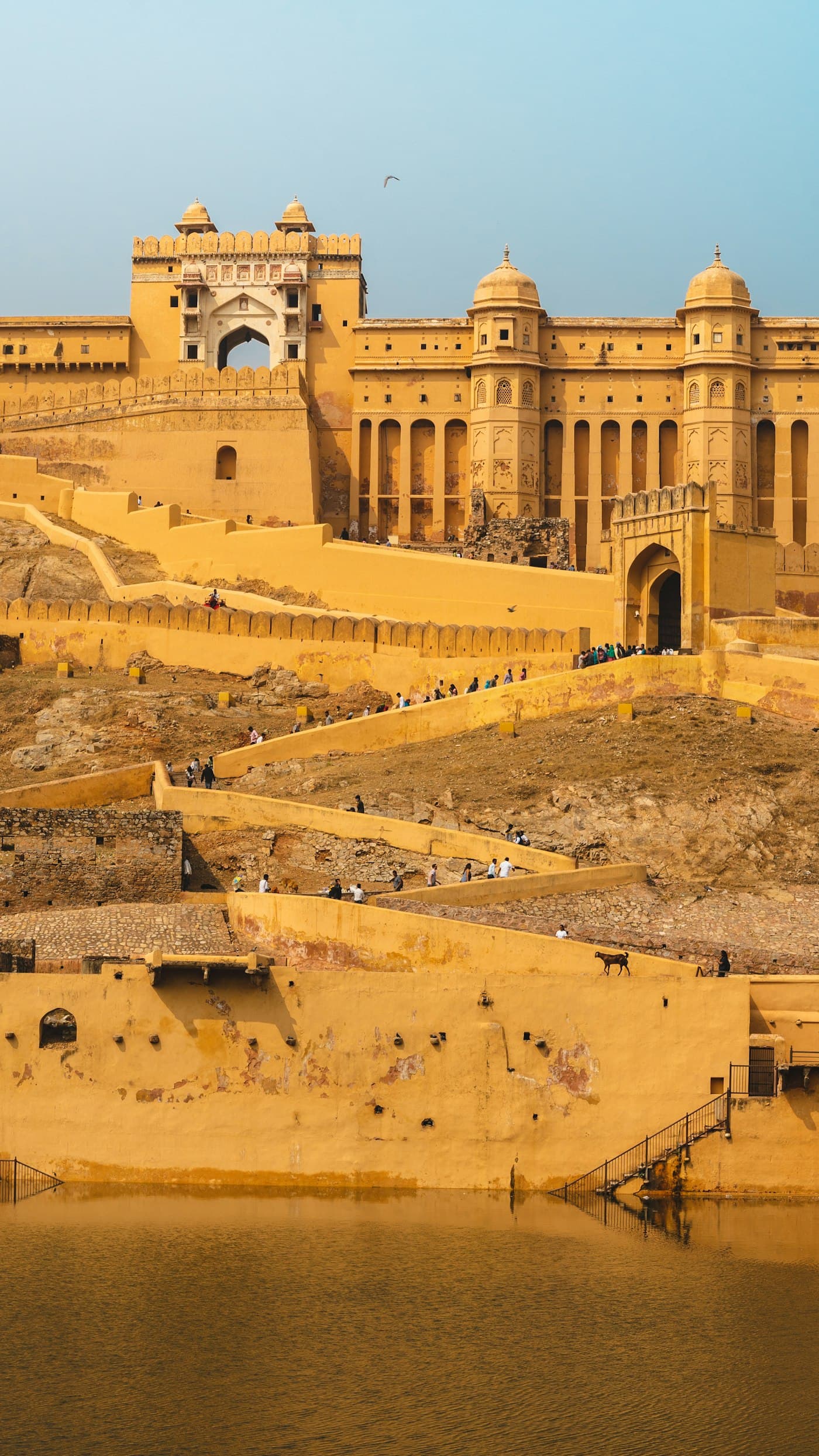
Rajasthan photography tour
cancellation
Guides & Spots
Travel guidePhotography
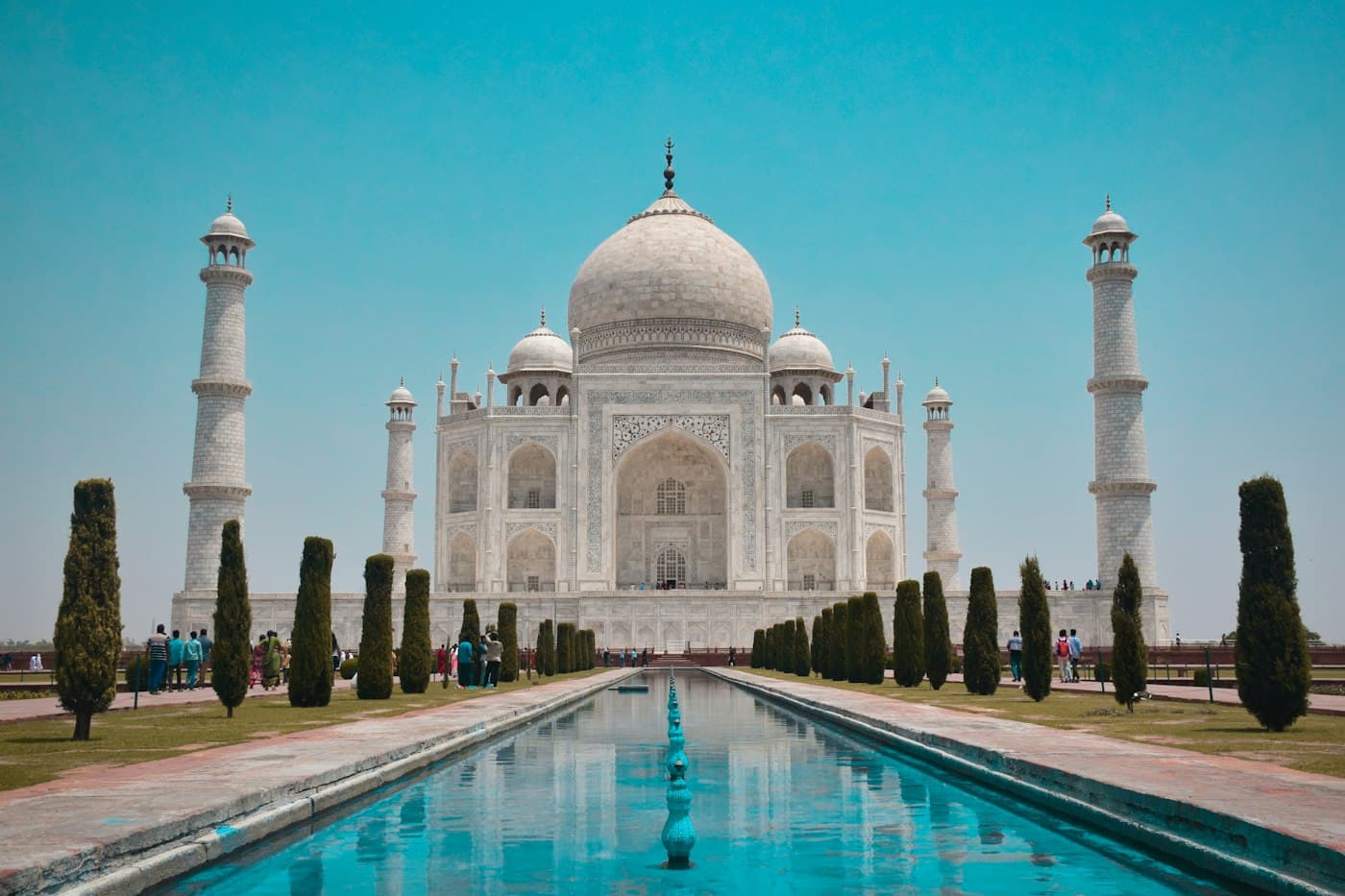
The best photo spots in India
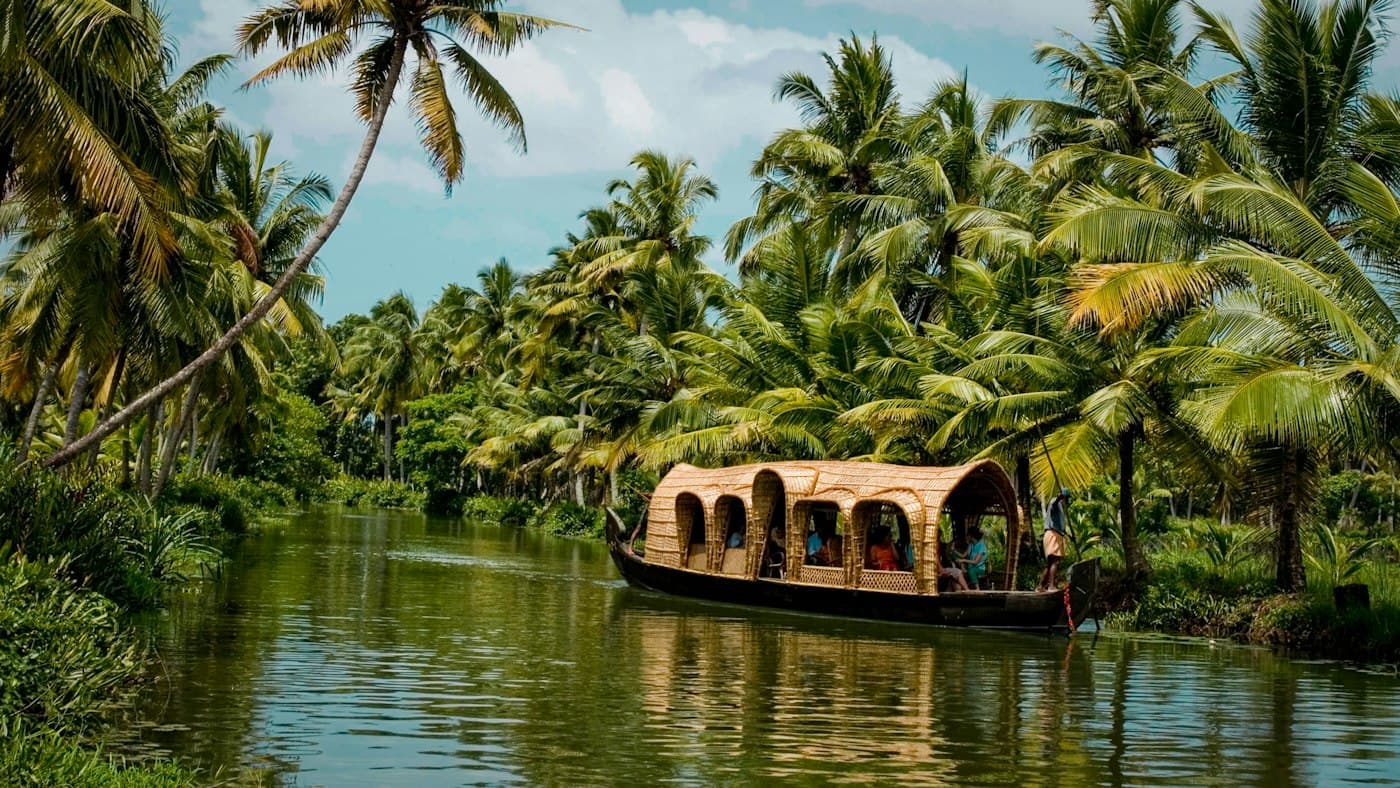
India's most consistently photogenic places share the same two ingredients: strong light at a specific time of day and genuine access to get close. The Varanasi ghats at dawn, Rajasthan's forts and the Thar Desert at golden hour, the Taj Mahal at sunrise, Kerala's backwaters at any time of day, and Ladakh's high passes and lakes in the clear summer light are the shortlist we send most photography-focused travellers to first.
Travel guidePhotography
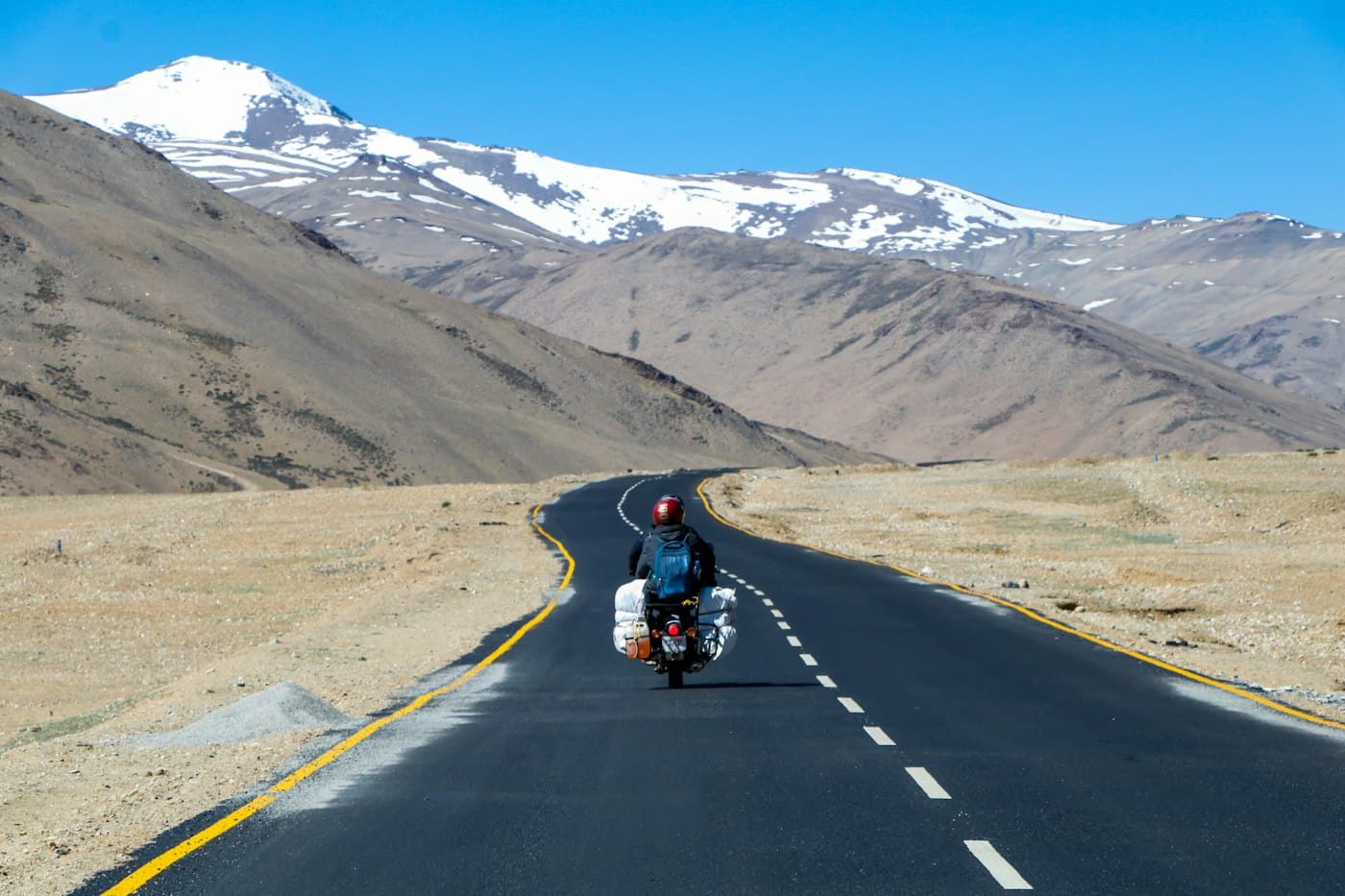
Drone rules in India
India regulates drone flight under the Drone Rules 2021, administered through the Digital Sky platform, with registration requirements that scale by drone weight, mandatory no-fly zones around airports, international borders, military installations and many monuments, and a specific additional layer of permission that foreign visitors and foreign-registered drones generally need before flying at all. Given how frequently the specifics change and how serious the penalties for unauthorised flight can be, we strongly recommend checking the current rules directly with the Digital Sky platform or a licensed local operator before travelling with a drone, rather than relying on any single source, including this page.
Personal Photographer
Traveller servicePhotography
Hire a vacation photographer
This service arranges a professional photographer to accompany and photograph your actual trip — a single session at one location, or coverage across several days — so you and your travel companions are properly captured rather than relying on phone snapshots or a rushed selfie. It suits honeymoons, family trips and milestone celebrations especially, and is arranged around your itinerary rather than the other way round.
Not sure which to pick? Plan it with a specialist.
Tell us your dates and pace. You receive a written itinerary and quote first; nothing is charged to start planning.
Other categories
Frequently asked questions
Can I fly a drone at Indian monuments?
Generally no — drone flight is restricted or banned outright at many monuments, including the Taj Mahal, and near airports, borders and other sensitive areas. See our drone rules guide for the current framework before you travel.
Do forts and palaces charge extra for cameras or tripods?
Some do, and rules vary by site and change over time — your guide checks current camera and tripod policy for each specific site before you visit.
What is the best time of day to photograph the Taj Mahal or Rajasthan's forts?
Sunrise and the hour after, or the hour before sunset — the low, warm light suits the pale marble and sandstone far better than midday sun.
Can you provide a photographer instead of me shooting?
Yes — our vacation photographer service arranges a professional to accompany and photograph your trip, rather than a self-directed photo tour.
Is professional photography equipment allowed through Indian airport security?
Standard camera equipment travels without issue; very large equipment or certain drone models can attract additional questions — check current airline and airport policy for anything unusual.
About Photography in India
India's strongest photography comes from getting the timing and access right rather than any special gear: dawn on the Varanasi ghats during the morning aarti, golden-hour light on Rajasthan's forts and dunes, and a guide who knows which vantage points work and which are off-limits, since drones and even some tripod setups are restricted at many monuments. If you would rather have someone else hold the camera, our vacation photographer service covers your trip rather than just one shoot.
What makes India photograph well
Light, timing and access are the three things that separate a good India photograph from an ordinary one. Varanasi's ghats are transformed at dawn, when the morning ritual bathing and boat traffic catch the low light; Rajasthan's forts and the Thar Desert's dunes are at their best in the hour either side of sunrise and sunset, when the sandstone and sand both turn gold.
Access matters just as much as light — a guide who knows which rooftop, ghat or dune to be on, and what time to be there, makes more difference to your photographs than equipment.
What matters when choosing
- SubjectVaranasi for ritual and river life, Rajasthan for architecture, desert and portraiture, and India more widely for a curated best-of list if you are unsure where to start.
- Drone useIndia regulates drone flight closely, with restrictions near airports, borders, and many monuments (including a no-fly rule at the Taj Mahal); check our drone rules guide before packing one.
- Whether you want to shoot yourself or be photographeda self-directed photo tour gives you the vantage points and time; hiring a vacation photographer gets you and your trip captured properly instead.
- Time of daynearly every photography experience on this hub is planned around golden hour or dawn rather than midday.
- Seasonwinter (October to March) gives the clearest air and softest light across most of north India; summer haze and monsoon cloud both affect visibility.
| Compare | Varanasi photo tour | Rajasthan photography tour | Best photo spots in India (guide) | Drone rules (guide) |
|---|---|---|---|---|
| Best for | Ritual, river life, ghats | Forts, palaces, desert, portraiture | A curated shortlist across regions | Anyone planning to fly a drone |
| Best time of day | Dawn | Golden hour, sunrise and sunset | Varies by location | N/A |
| Access notes | Boat positioning matters most; some areas are best photographed respectfully from a distance | Some forts restrict tripods or charge camera fees; drone use is generally restricted near forts and the India-Pakistan border areas | See the dedicated guide for specifics | DGCA registration, no-fly zones and monument restrictions apply — read before you travel |
How to choose
If ritual and river life is your priority, Varanasi is the single best base and rewards at least two dawns to get a range of shots. If architecture, desert light and portraiture interest you more, Rajasthan's forts and the Thar Desert are the stronger choice, and a photography-focused guide who knows each fort's best angles and light timing is worth having.
If you are not sure where to start, our best photo spots in India guide gives a curated shortlist across regions. And if you would rather be in the photographs than behind the camera, our vacation photographer service covers your actual trip rather than a dedicated photo shoot.
Season notes
October to March gives the clearest air and best light across most of India, and is the season we recommend for photography-focused trips generally. April to June brings haze and heat that soften and flatten light in the middle of the day; the monsoon (roughly June to September) brings dramatic skies but less predictable conditions.
Why book with Experience My India
Government-approved operator
Approved by the Ministry of Tourism, Government of India
500+ vetted local guides
35+ destination specialists plan every trip by hand.
Human help, every day
Mon–Sun, 9:00 AM – 9:00 PM IST · +91 73022 65809
No payment until you approve
You receive a written quote first; nothing is charged to start planning.
Plan a trip
Tailor-made quote from a specialist