
India's festivals and events
India's festival calendar is built on two systems: fixed-date harvest and national festivals such as Onam and Republic Day, and lunar-calendar festivals such as Holi, Diwali and Durga Puja whose exact date shifts each year.
- 8
- experiences
- Private, tailor-made
- Ministry of Tourism approved
Showing 8 experiences
Holi & Diwali
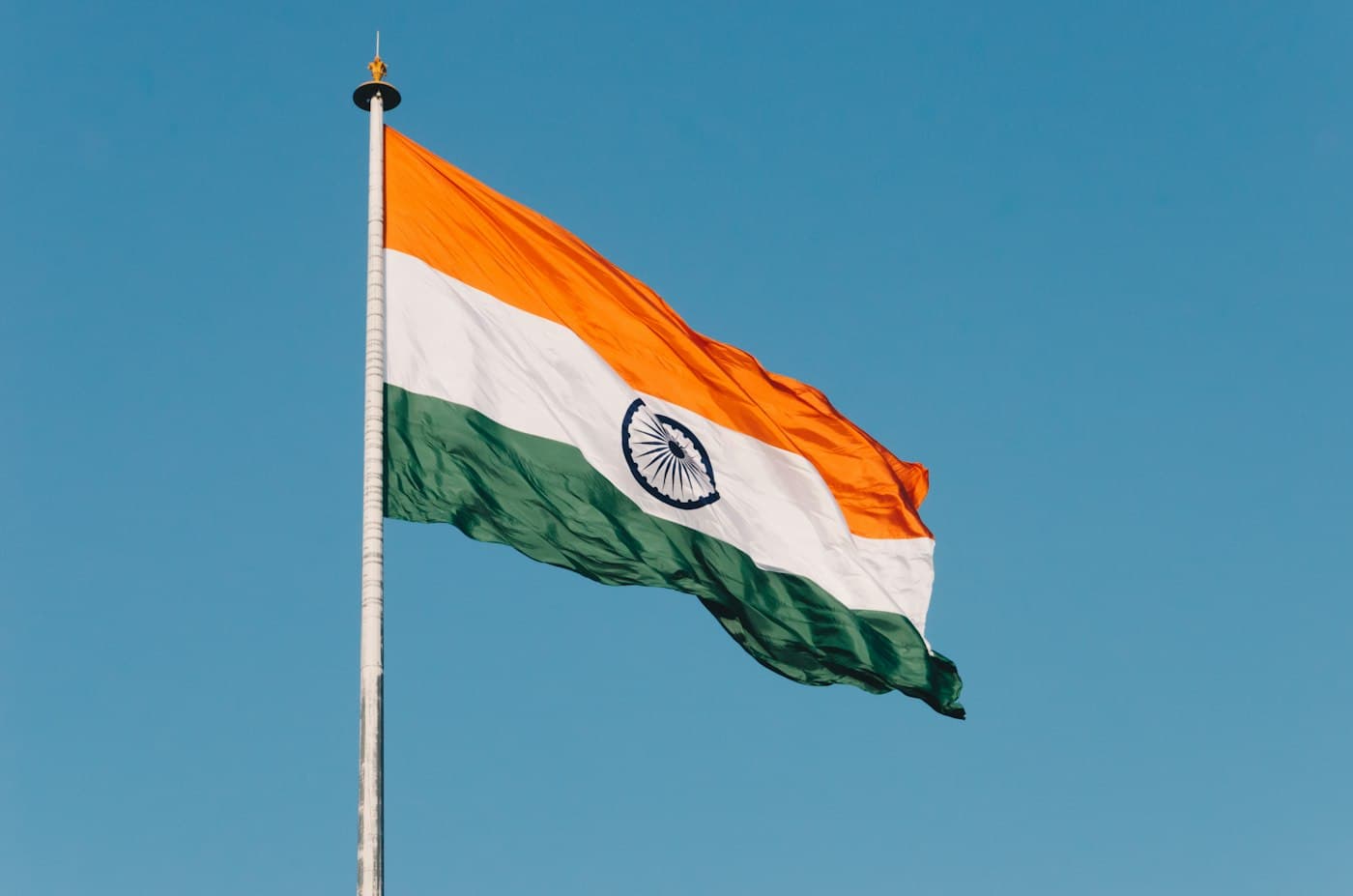
Holi in Mathura and Vrindavan
cancellation
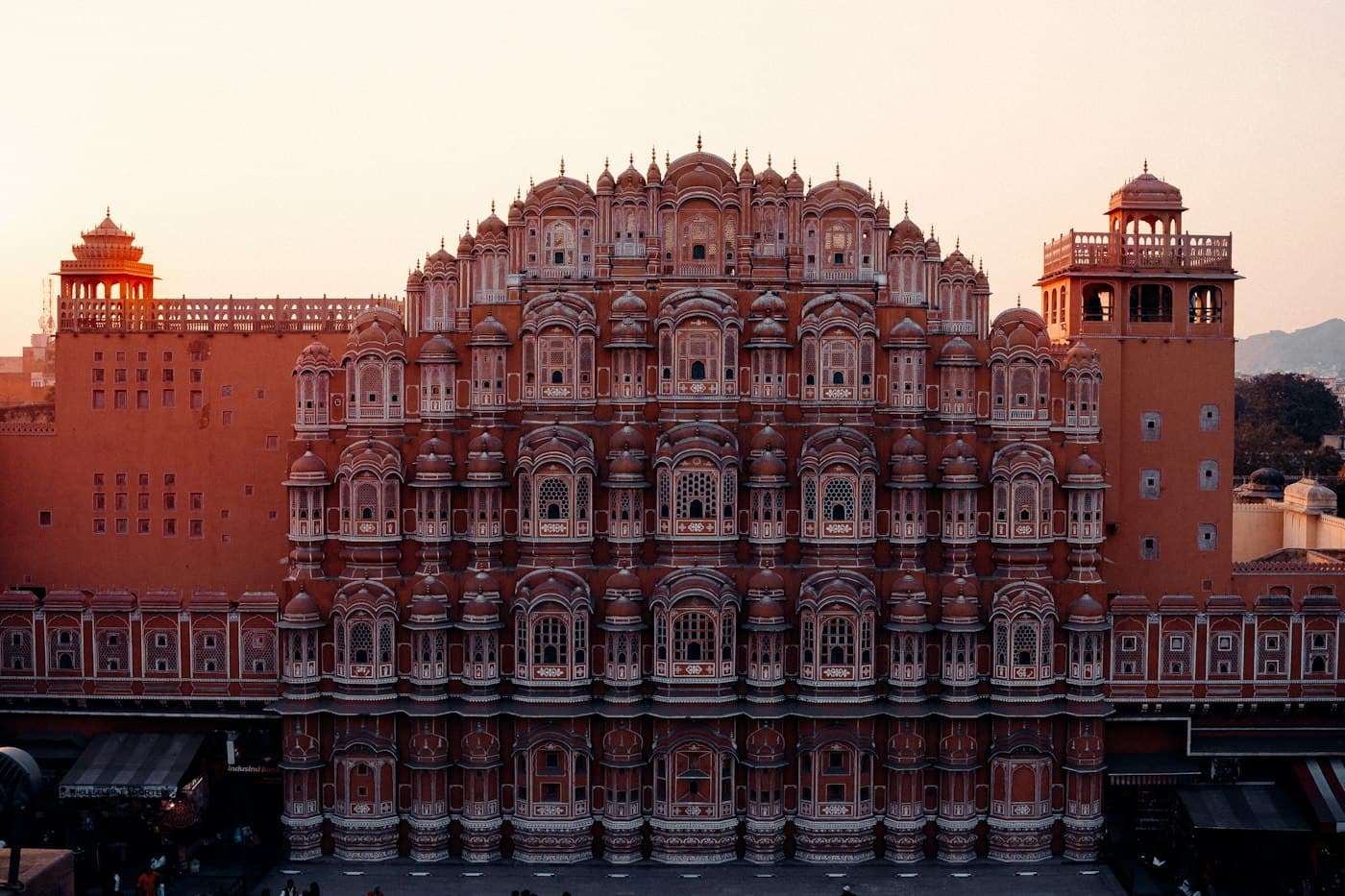
Diwali in Jaipur
cancellation
Fairs & Festivals
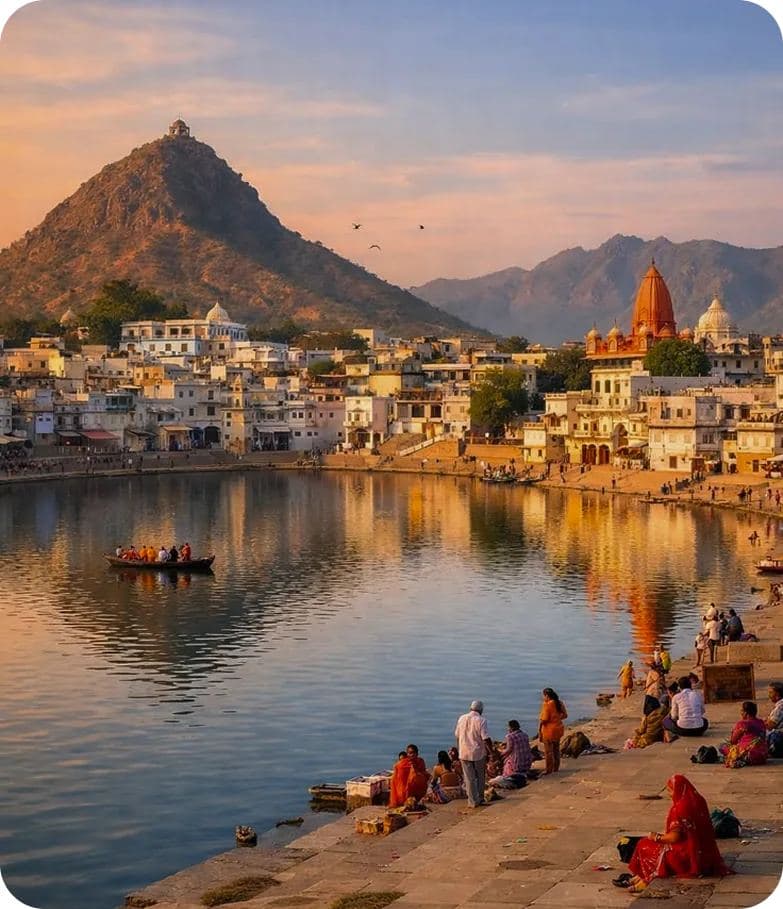
Pushkar Camel Fair
cancellation
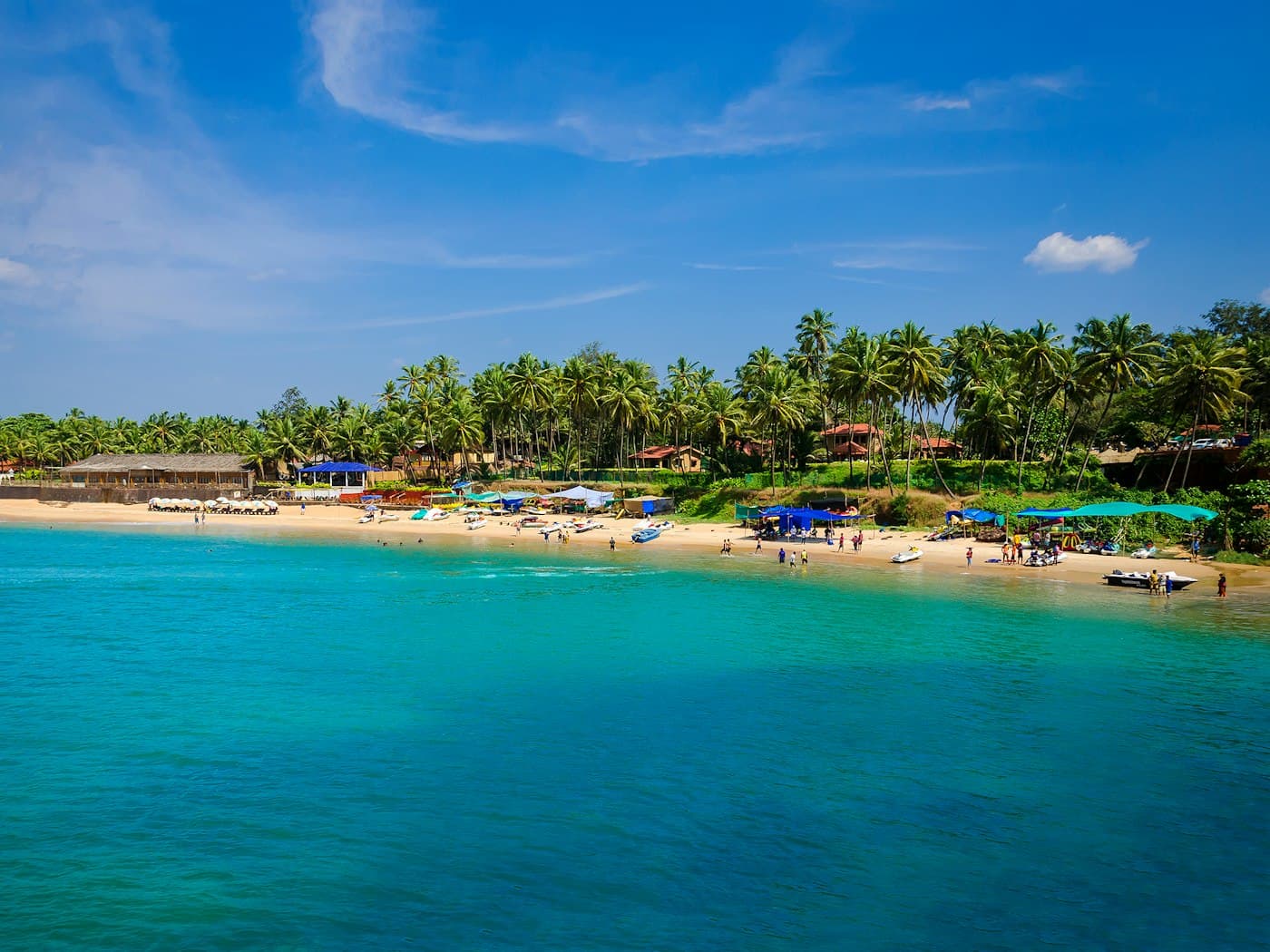
Rann Utsav, Kutch
cancellation
Regional Festivals
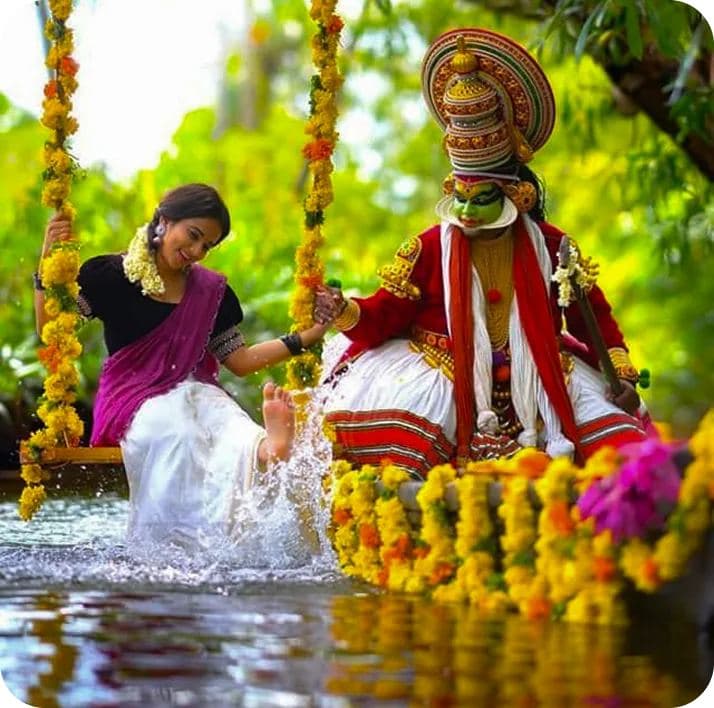
Onam in Kerala
cancellation
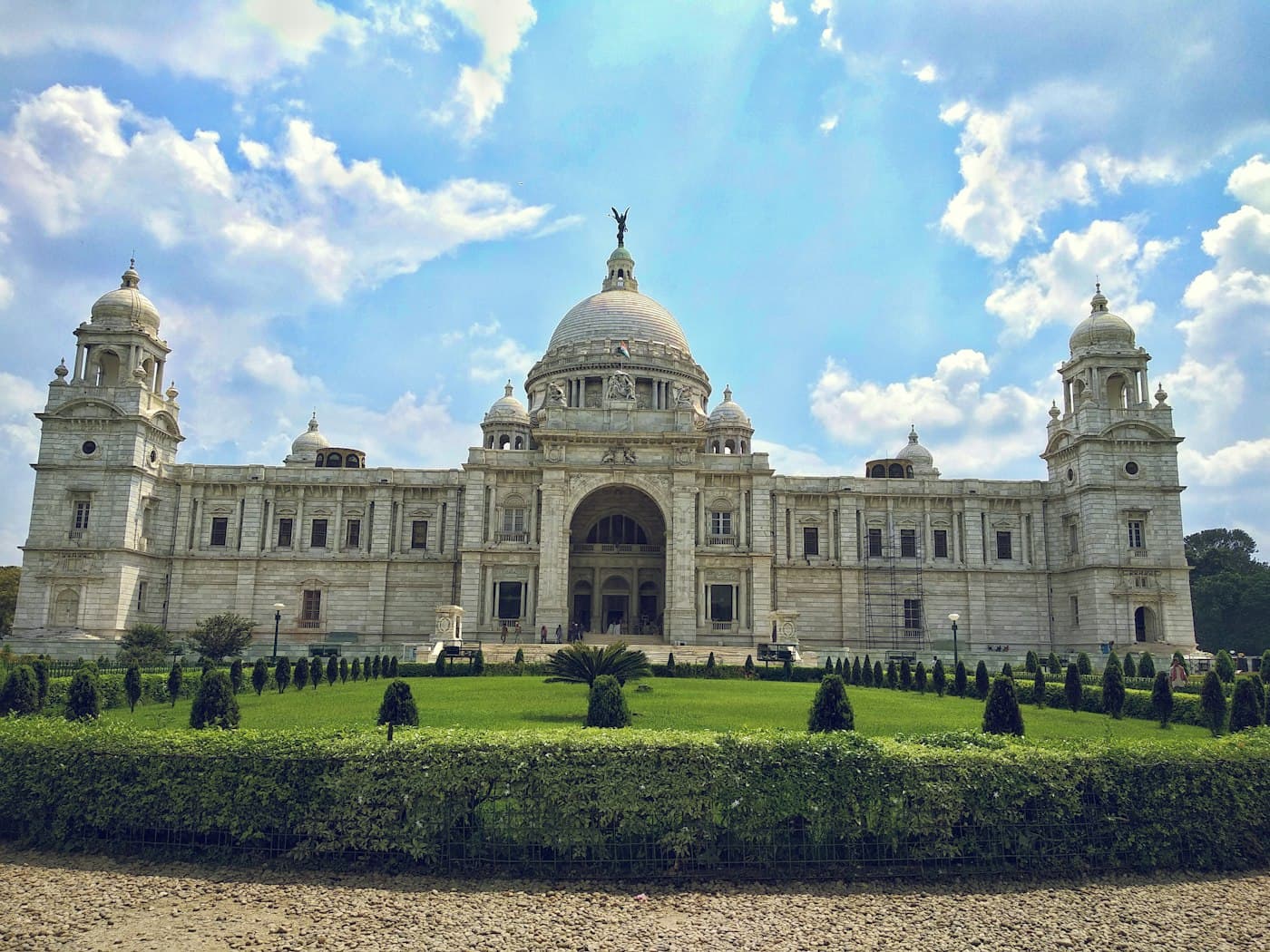
Durga Puja in Kolkata
cancellation
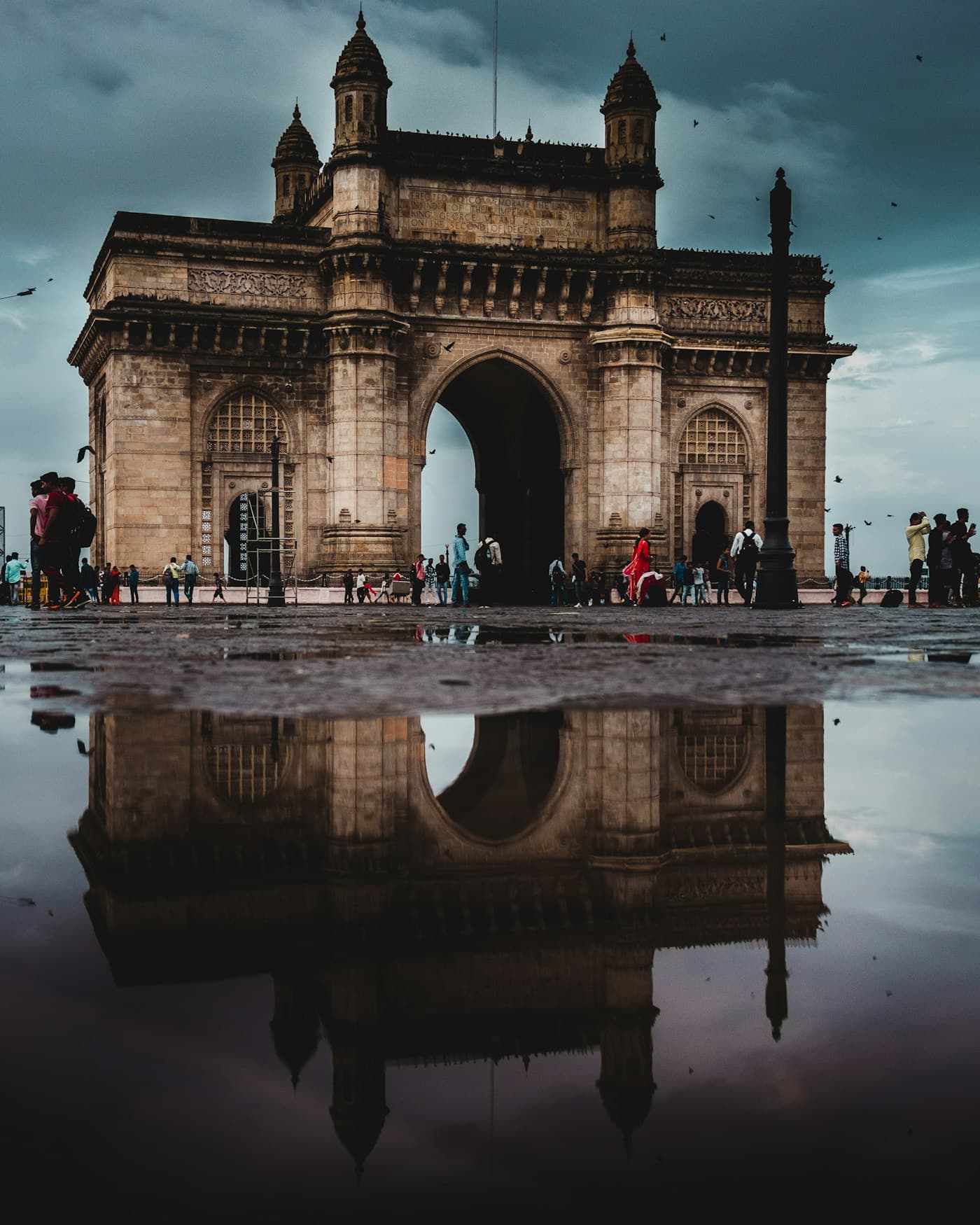
Ganesh Chaturthi in Mumbai
cancellation
Himalayan Festivals
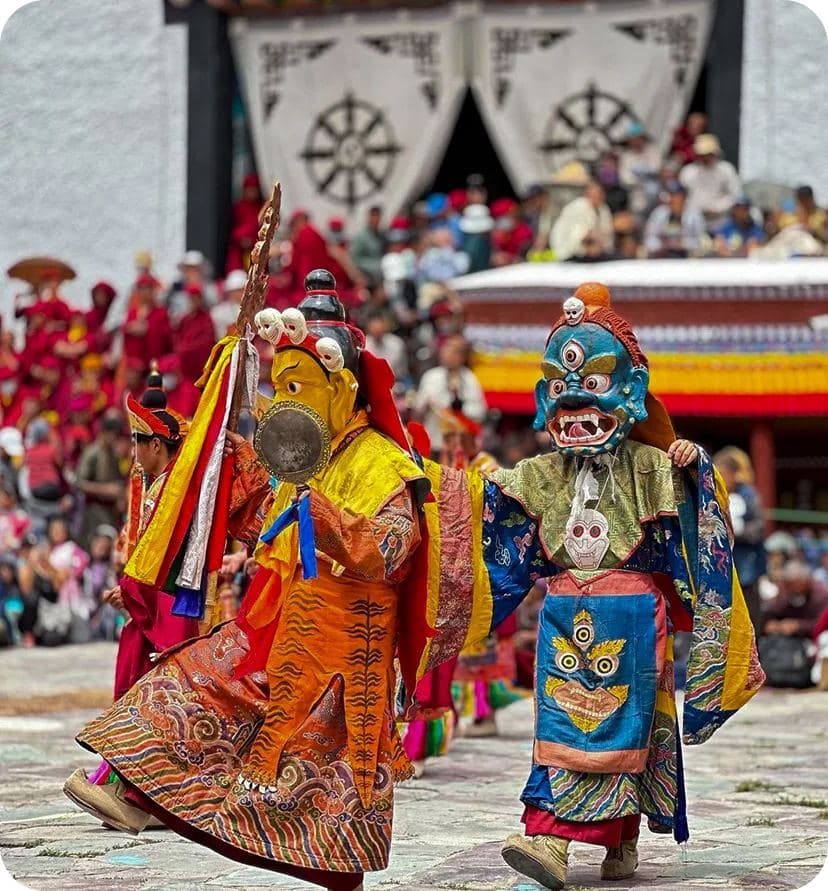
Hemis Festival, Ladakh
cancellation
Not sure which to pick? Plan it with a specialist.
Tell us your dates and pace. You receive a written itinerary and quote first; nothing is charged to start planning.
Other categories
Frequently asked questions
Do festival dates change every year?
Yes, for anything on the lunar or lunisolar calendar — Holi, Diwali, Durga Puja, Ganesh Chaturthi, the Pushkar fair and Hemis all move by roughly two to four weeks year to year. We confirm the exact date for your travel year on enquiry, once it is published.
Which festival is easiest for a first-time visitor to India?
Onam and Rann Utsav are the gentlest introductions: both run over a known season rather than a single frantic day, and both are easy to build into a wider itinerary without fighting crowds.
Is it safe to take part in Holi?
Holi is safe with basic precautions — old clothes, eye protection if you are sensitive, and avoiding street-side bhang-laced drinks unless you know what you are choosing. Private, hosted celebrations at heritage properties are calmer than the open street version.
How far ahead should I book festival travel?
For Diwali, Durga Puja and the Pushkar Camel Fair, three to six months ahead — hotel rooms in the festival towns sell out early. Onam, Hemis and Rann Utsav have more flexibility, but a month or two of notice still helps.
Can I combine two festivals in one trip?
Only if the calendars align that year, since most are lunar and move independently. Tell us your travel window and we will check which festivals actually fall inside it before building the route.
About India's festivals and events
India's festival calendar is built on two systems: fixed-date harvest and national festivals such as Onam and Republic Day, and lunar-calendar festivals such as Holi, Diwali and Durga Puja whose exact date shifts each year. The eight festivals covered here range from the colour-throwing of Holi in Mathura and Vrindavan to the masked cham dances of Hemis in Ladakh, and each has its own best base, crowd level and booking lead time.
How the Indian festival calendar works
Most of India's headline festivals follow lunar or lunisolar calendars, so their Gregorian date moves by weeks each year: Holi, Diwali, Durga Puja, Ganesh Chaturthi and Ladakh's Hemis festival all fall this way. A smaller group is fixed to a solar or harvest calendar and lands in the same window every year, such as Onam in Kerala's month of Chingam (roughly August–September). For any lunar festival, we confirm the exact date on enquiry once the year's almanac is published rather than publish a date that could be wrong by the time you read this.
The two other events here, the Pushkar Camel Fair and Rann Utsav, sit in between: the fair follows the lunar Kartik calendar (typically October–November) but runs as a multi-day tourism event, and Rann Utsav is a Gujarat Tourism programme that spans a fixed winter season (broadly November to February) rather than a single date.
What matters when you pick a festival to travel around
- Crowd toleranceHoli in Mathura-Vrindavan and Pushkar's fair week draw dense crowds; a private vantage point or rooftop makes a real difference.
- How far in advance you bookhotels in festival towns sell out months ahead for Diwali, Durga Puja and the Pushkar fair.
- Whether the festival is a spectacle you watch or a ritual you take part in — Holi is participatory, Theyyam and cham dances are watched from a respectful distance, Diwali is best experienced from a private terrace or haveli.
- Regional variationDiwali in Jaipur, Durga Puja in Kolkata and Ganesh Chaturthi in Mumbai are the same festival celebrated in markedly different styles.
- Season stackingseveral festivals (Diwali, Durga Puja, Onam) fall inside the comfortable October–March travel window, so they combine well with a wider India itinerary.
| Compare | Holi (Mathura-Vrindavan) | Diwali (Jaipur) | Pushkar Camel Fair | Onam | Durga Puja | Hemis Festival | Ganesh Chaturthi | Rann Utsav |
|---|---|---|---|---|---|---|---|---|
| Region | Uttar Pradesh | Rajasthan | Rajasthan | Kerala | West Bengal | Ladakh | Mumbai | Gujarat (Kutch) |
| Typical timing | — | — | — | Solar (Chingam) — Aug/Sep | — | — | — | Fixed winter season, roughly Nov–Feb |
| What you see | Colour-throwing across temple towns, week-long build-up | City-wide lighting, bazaars, fireworks over the old city | Camel and cattle trading, fairground, holy lake rituals | Snake-boat races, Pookalam flower carpets, Onasadya feast | Elaborate pandals, idol immersion, five days of processions | Masked cham dances in Hemis monastery courtyard | Elaborate pandals and a city-wide immersion procession | Tented camp on the white salt desert, folk music and crafts |
| Crowd level | Very high | High | High | Moderate | Very high in Kolkata | Moderate | Very high | Moderate |
How to choose
If you want to take part rather than watch, Holi is the obvious choice, but go with a plan: Mathura and Vrindavan's Lathmar and Banke Bihari celebrations are intense, and a guide who knows which lanes to avoid matters more here than anywhere else on this list.
If you would rather observe a spectacle from comfort, Diwali in Jaipur or Durga Puja pandal-hopping in Kolkata with a private car and guide are easier to enjoy without the crush.
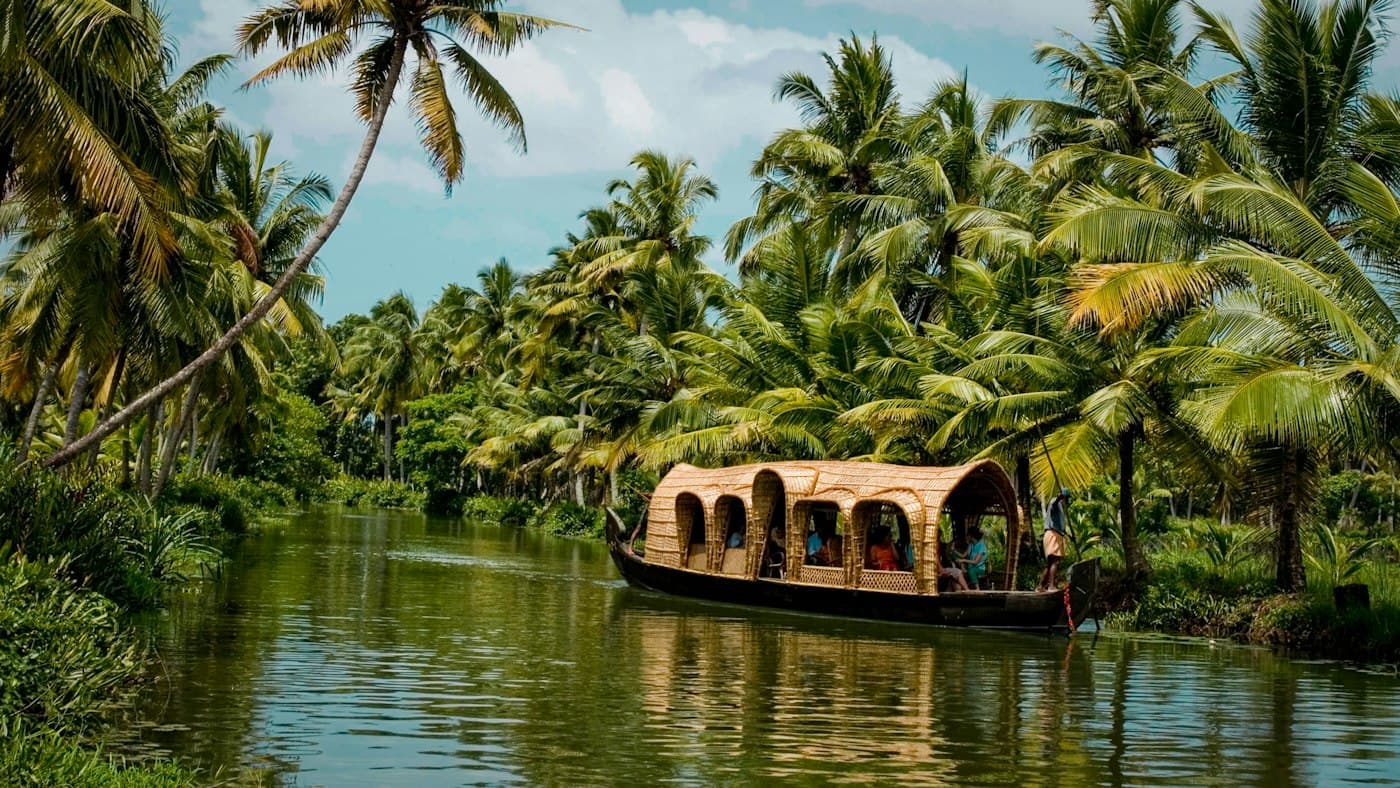
Travellers combining a festival with a wider trip do best pairing Onam with a Kerala backwaters itinerary, the Pushkar fair with a Rajasthan circuit that already passes nearby, or Rann Utsav with a Gujarat and Kutch loop.
Why book with Experience My India
Government-approved operator
Approved by the Ministry of Tourism, Government of India
500+ vetted local guides
35+ destination specialists plan every trip by hand.
Human help, every day
Mon–Sun, 9:00 AM – 9:00 PM IST · +91 73022 65809
No payment until you approve
You receive a written quote first; nothing is charged to start planning.
Plan a trip
Tailor-made quote from a specialist