
Food and culinary experiences in India
India's food experiences range from guided street-food walks in Old Delhi and Mumbai to hands-on cooking classes and set-piece regional feasts such as a Kerala sadya or a Kashmiri wazwan.
- 7
- experiences
- Private, tailor-made
- Ministry of Tourism approved
Showing 8 results
Street Food Walks
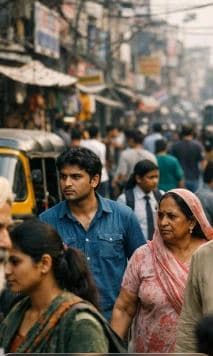
Old Delhi street food walk
cancellation
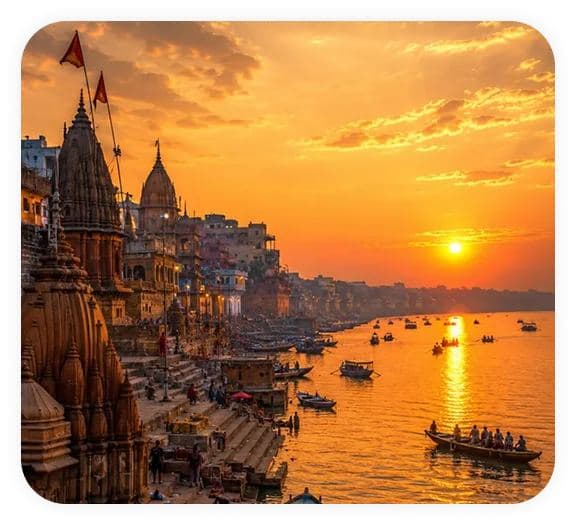
Varanasi sweets walk
cancellation
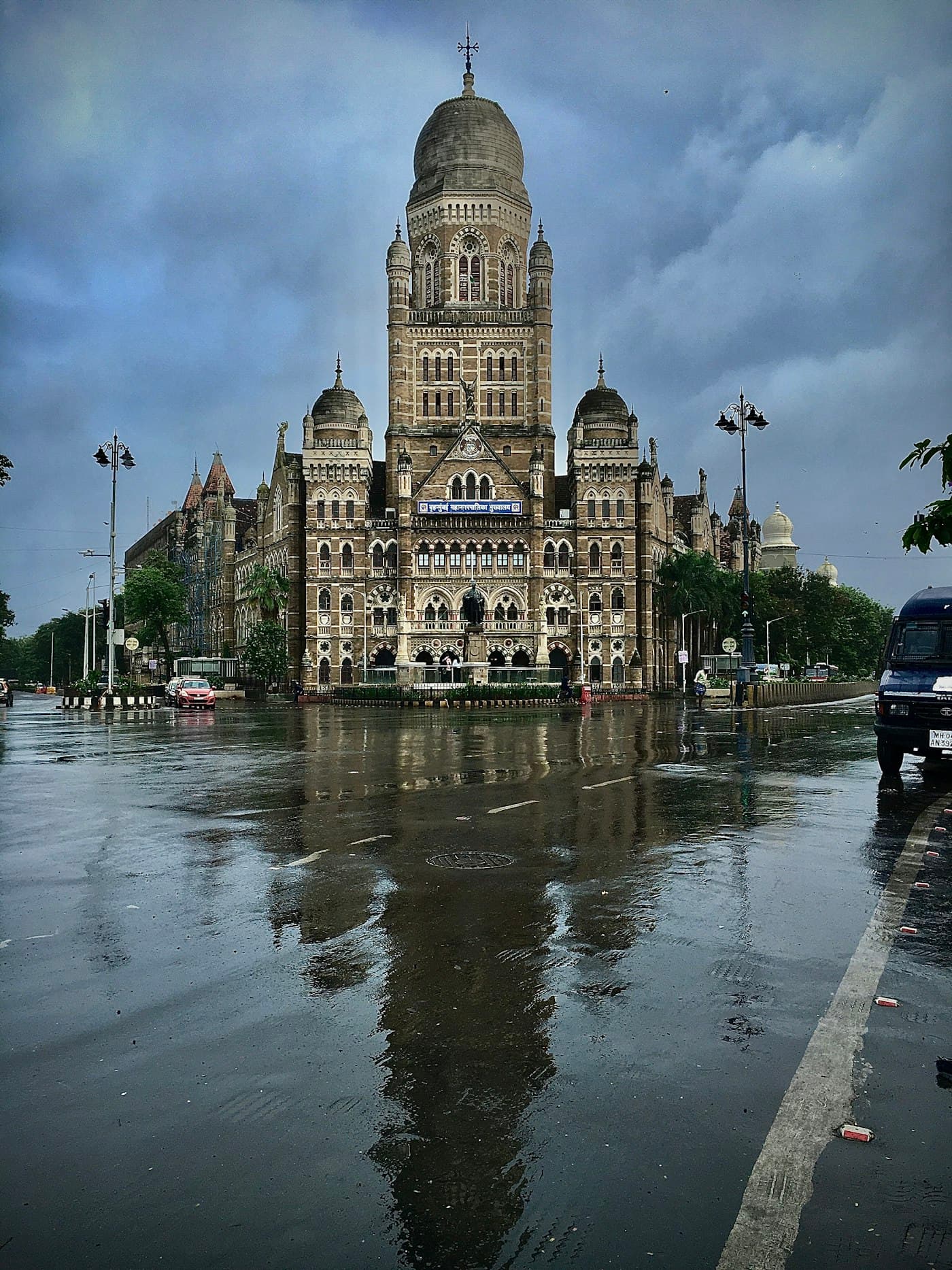
Mumbai street food tour
cancellation
Cooking Classes
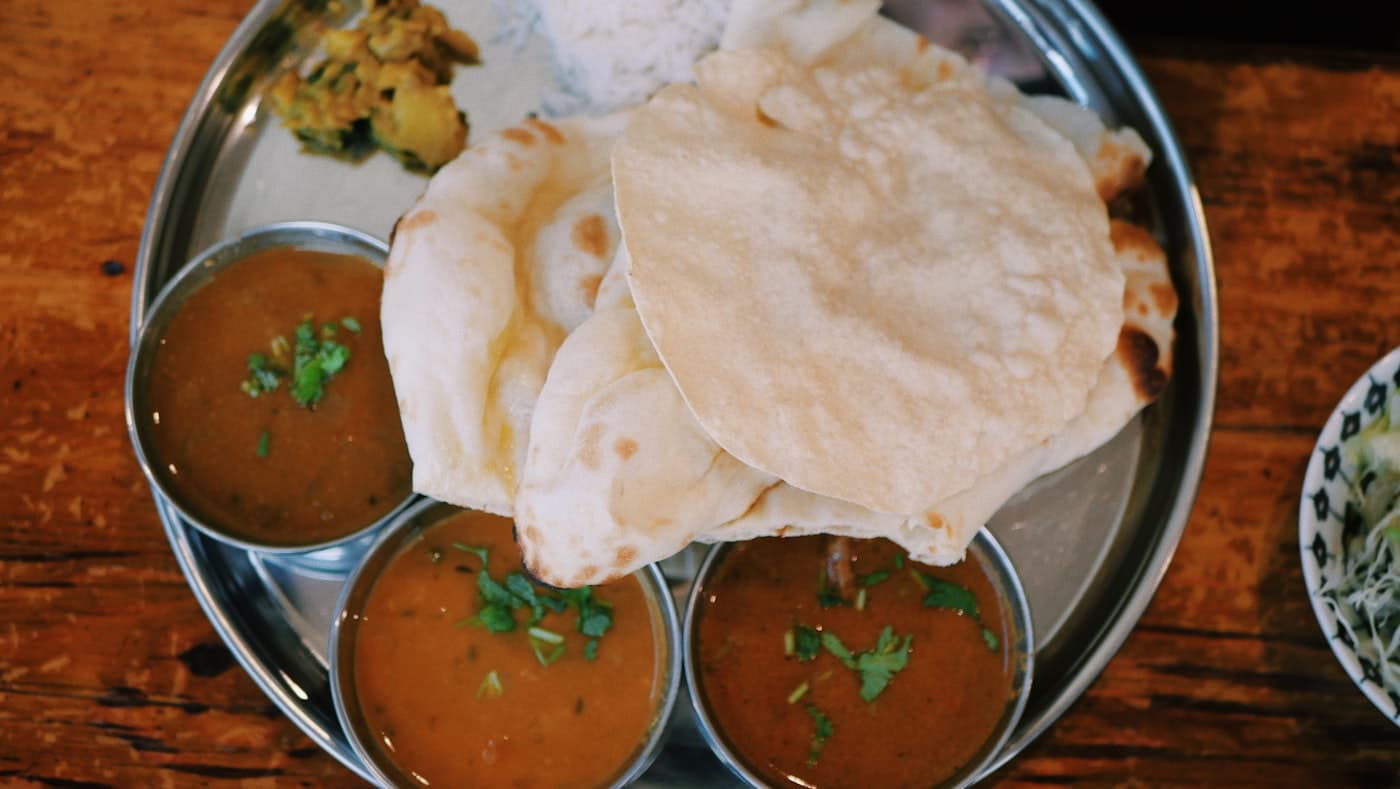
Jaipur cooking class
cancellation
Regional Feasts
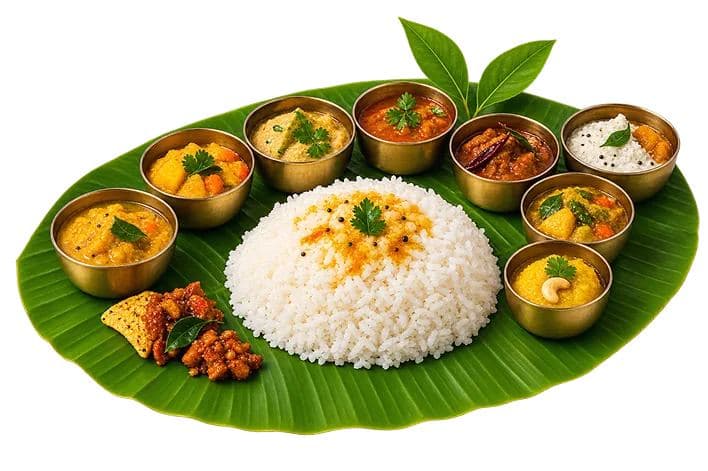
Kerala sadya experience
cancellation
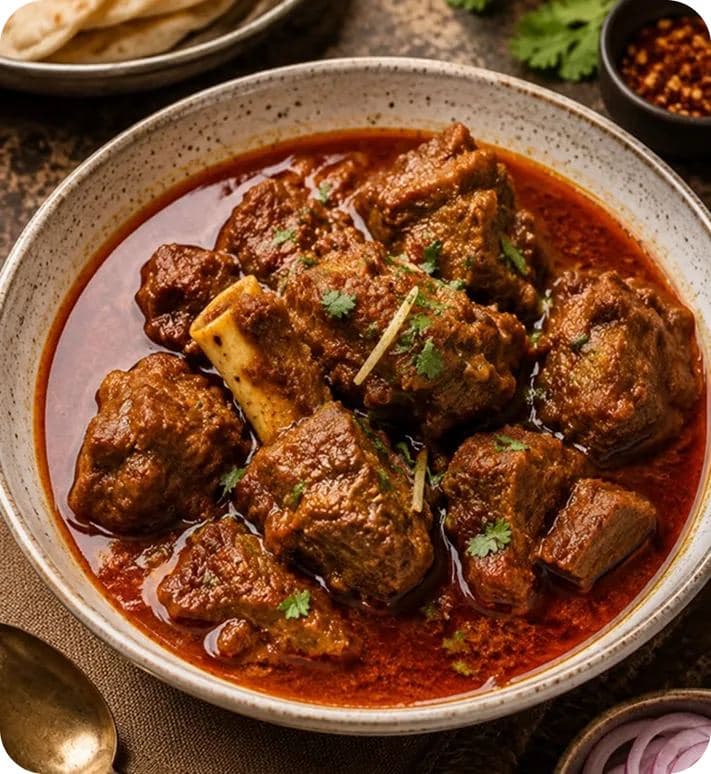
Kashmiri wazwan feast
cancellation
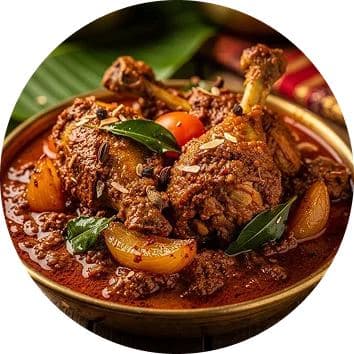
Chettinad food trail
cancellation
Guides
Travel guideFood & Culinary
A vegetarian traveller's guide to India
India has one of the largest vegetarian populations in the world, and vegetarian food is the mainstream, easily available option almost everywhere, from South Indian dosa and Kerala's sadya to Gujarati and Rajasthani thalis. Strict vegan travel is harder, since ghee and dairy feature in much everyday cooking, and Jain travellers (no onion, garlic or root vegetables) will need to ask specifically, though most kitchens can accommodate it with notice.
Not sure which to pick? Plan it with a specialist.
Tell us your dates and pace. You receive a written itinerary and quote first; nothing is charged to start planning.
Other categories


Frequently asked questions
Is Indian street food safe for visitors?
It varies stall to stall rather than city to city. On our guided walks we choose stalls with high turnover, visible hygiene practices and a good local reputation, and we brief you on sensible precautions (bottled water, freshly cooked rather than pre-prepared items) rather than promising a guarantee no one can honestly make.
Can these experiences be made fully vegetarian or Jain?
Yes. South Indian cuisine and Kerala's sadya are naturally vegetarian-friendly; for Jain requests (no onion, garlic or root vegetables) tell us in advance, especially for cooking classes and feast-style meals, so the kitchen can plan accordingly.
How spicy is Indian food really?
It depends entirely on the region and dish. Much everyday cooking is mild to moderate; Chettinad food, Kashmiri wazwan dishes and Rajasthani laal maas are deliberately hot. Every experience can be adjusted for a milder palate if you tell your guide or host in advance.
Do I need a guide for a street-food walk, or can I do it alone?
You can explore alone, but a guide earns their place in dense, unfamiliar lanes such as Chandni Chowk or Mohammed Ali Road, where they know which stalls are worth the queue and can order in the local language.
Which experience is best for a first visit to India?
A guided cooking class or a set feast such as the Kerala sadya is a gentler introduction than a dense street-food crawl, since portions and spice are controlled and you are seated throughout.
Can these be combined with sightseeing on the same day?
Most can. A street-food walk or cooking class typically runs a few hours and slots either side of a half-day of sightseeing; a full feast experience is usually best as its own evening.
About Food and culinary experiences in India
India's food experiences range from guided street-food walks in Old Delhi and Mumbai to hands-on cooking classes and set-piece regional feasts such as a Kerala sadya or a Kashmiri wazwan. The right one for you depends on spice tolerance, how hands-on you want to be, and whether you need strict vegetarian or Jain options, all of which we confirm before booking.
What actually matters when you pick a food experience
India's food changes completely from state to state, so 'a food tour' is not one thing. A Chandni Chowk street-food walk in Delhi, a Rajasthani thali cooking class, a Kerala sadya, a Kashmiri wazwan and a Chettinad trail in Tamil Nadu are built around entirely different cuisines, spice levels and formats, and the one that suits a curious eater with an iron stomach is not the one that suits a first-time visitor who wants everything mild and vegetarian.
The criteria that matter
- Spice tolerance: North Indian and coastal Goan food can be moderate; Chettinad, Kashmiri wazwan and Rajasthani laal maas run hot and complex.
- Format: a walking tour (street food, snack-sized, several stops) is a different experience from a cooking class (hands-on, one sitting) or a set feast such as a sadya or wazwan (multi-course, seated).
- Dietary needs: vegetarian is the default across large parts of India and easy to arrange everywhere; Jain (no onion, garlic or root vegetables) and vegan need advance notice, particularly for feast-style meals built around ghee and dairy.
- Hygiene approach: on any street-food walk we route you to stalls with high turnover and visible hygiene practices rather than promising a hygiene guarantee no operator can honestly make.
- Guided versus self-guided: a guide matters most in dense, unfamiliar lanes like Chandni Chowk or Mohammed Ali Road, less so for a seated cooking class or resort-based feast.
How to choose
If you want to taste a lot of small things and understand a city through its street corners, choose a walking tour: Old Delhi or Mumbai. If you want to leave with a skill, choose a cooking class: Jaipur's is built around a Rajasthani thali. If you want one memorable sit-down meal that is itself the destination, choose a feast: Kerala's sadya, Kashmir's wazwan or a Chettinad spread in Tamil Nadu. Varanasi's sweets walk sits between formats, a short, sweet-focused street walk rather than a full meal.
| Compare | Old Delhi Street Food Walk | Jaipur Cooking Class | Kerala Sadya Experience | Chettinad Food Trail |
|---|---|---|---|---|
| Format | Guided walking tour | Hands-on cooking class | Set vegetarian feast | Guided trail plus tasting |
| Spice level | Moderate to hot | Adjustable to taste | Mild to moderate | Hot and complex |
| Best for | Curious eaters wanting variety | Travellers who want a takeaway skill | Vegetarians and families | Adventurous non-vegetarian eaters |
| Region | Delhi, North India | Rajasthan | Kerala, South India | Tamil Nadu |
Region notes
North India (Delhi, Rajasthan, Kashmir) leans on wheat breads, dairy and slow-cooked meat or rich vegetarian gravies. South India (Tamil Nadu, Kerala) is built around rice, lentils, coconut and a far higher proportion of naturally vegetarian cooking, served on a banana leaf at its most traditional. Coastal Mumbai sits apart again, a fast, snack-driven street-food culture shaped by migration from across the country. None of this is a hard border — you will find excellent vegetarian food and excellent meat cooking in every region — but it explains why a single 'India food tour' rarely does the country justice.
Why book with Experience My India
Government-approved operator
Approved by the Ministry of Tourism, Government of India
500+ vetted local guides
35+ destination specialists plan every trip by hand.
Human help, every day
Mon–Sun, 9:00 AM – 9:00 PM IST · +91 73022 65809
No payment until you approve
You receive a written quote first; nothing is charged to start planning.
Plan a trip
Tailor-made quote from a specialist