India's festivals and events
India's festival calendar runs year-round, from Makar Sankranti's kite-flying in January to the Pushkar Camel Fair in autumn.
- 15
- events
- Private, tailor-made
- Ministry of Tourism approved
Showing 15 events
Travel guideFestivals & Events
What's on this month in India
This page tracks what is actually happening across India in the current month — a moving festival, a seasonal fair, or a weather window worth knowing about — rather than a generic year-round list, and is updated as the calendar turns rather than left static.
Travel guideFestivals & Events
Holi — the festival of colours
Holi is India's festival of colours, marked by throwing coloured powder and water and, the night before, the Holika Dahan bonfire. It falls on the full moon of the Hindu month Phalguna, which usually places it in March, though the exact Gregorian date changes every year — check a current calendar rather than assuming last year's date.
Travel guideFestivals & Events
Diwali — the festival of lights
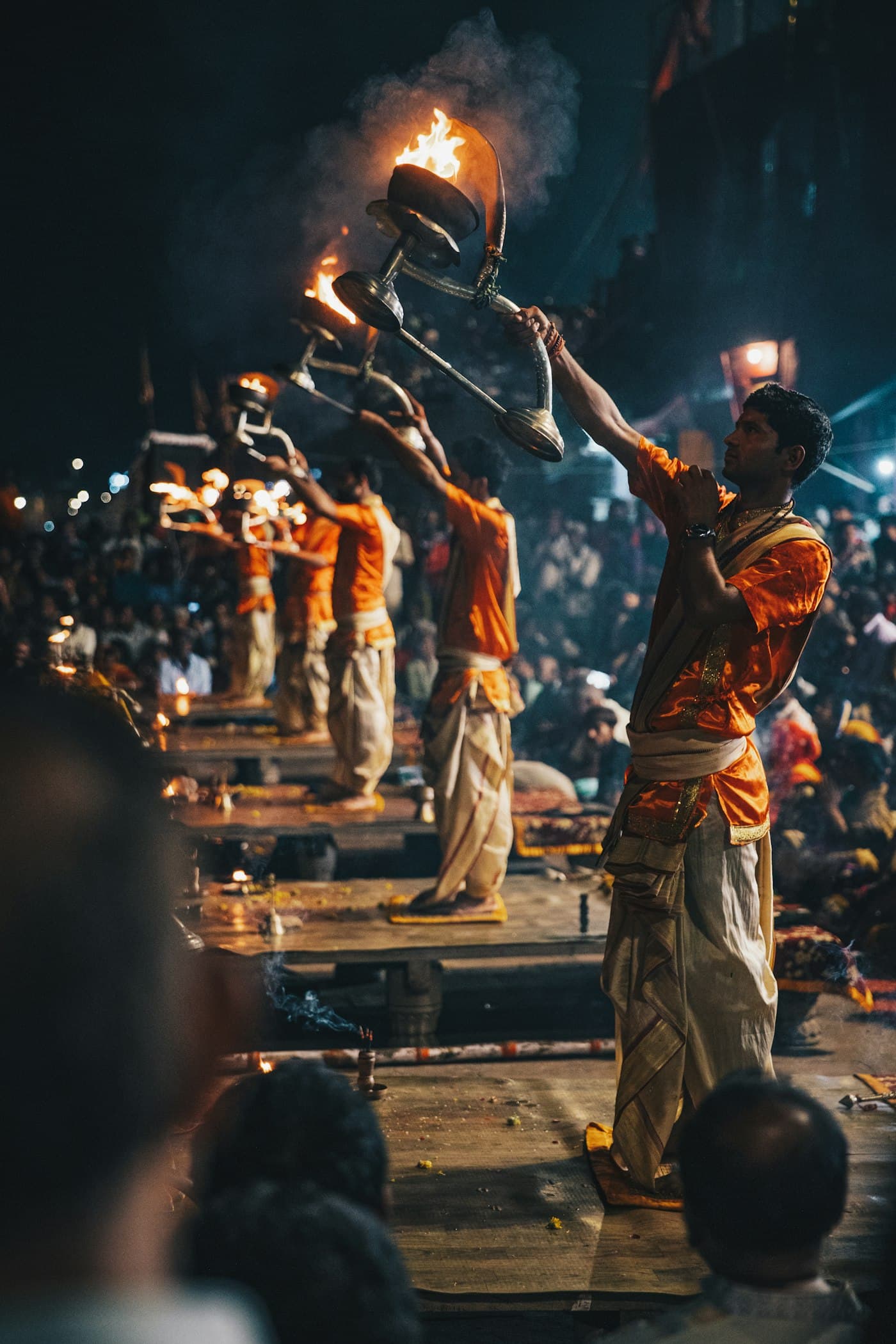
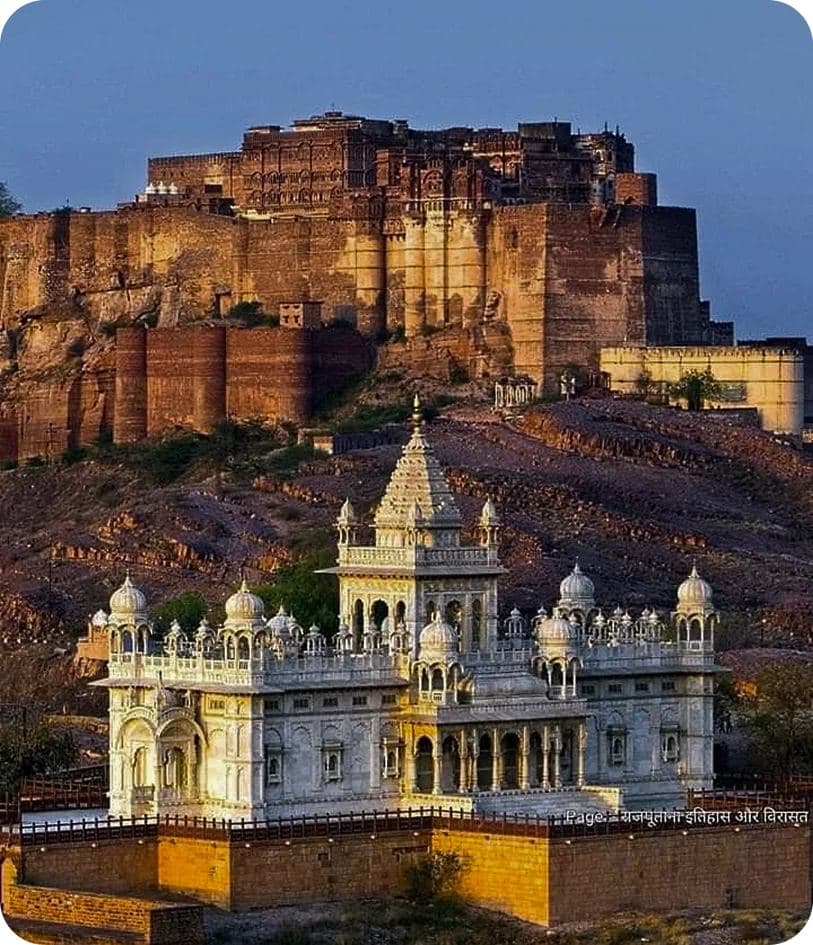
Diwali is India's festival of lights, marking the new moon of the Hindu month Kartika with oil lamps, fireworks and Lakshmi puja, typically in October or November. It is the country's most widely observed festival, and much of India — shops, offices, transport schedules — runs differently around it, which is worth planning for rather than being caught out by.
Travel guideFestivals & Events
Makar Sankranti
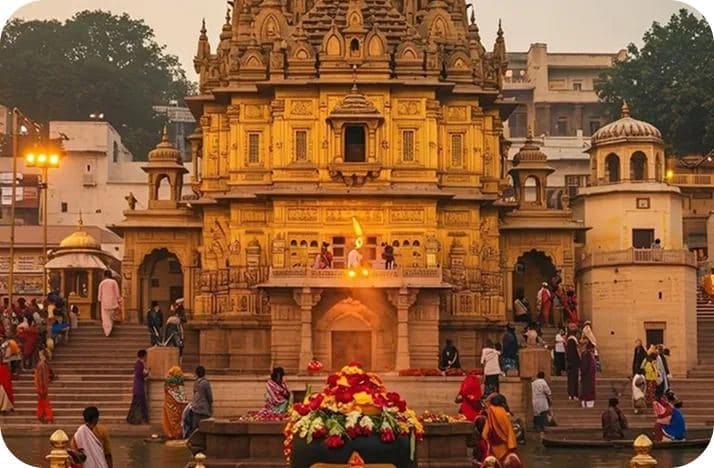
Makar Sankranti marks the sun's transit into the zodiac sign Capricorn, and unlike most Hindu festivals it follows the solar calendar, so it falls close to the same Gregorian date each year — usually 14 January, occasionally 15th. It is celebrated differently by region: kite flying in Gujarat and Rajasthan, Pongal in Tamil Nadu, and Lohri (a related but distinct festival) in Punjab.
Travel guideFestivals & Events
Maha Shivratri
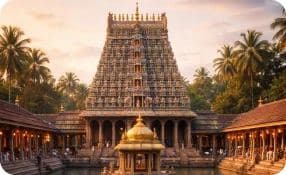
Maha Shivratri, the Great Night of Shiva, is marked with night-long vigils, fasting and temple worship, falling on the 14th night of the dark lunar fortnight in the Hindu months of Phalguna or Magha, which usually places it in February or March. Varanasi's Kashi Vishwanath Temple is among the most significant places to experience it.
Travel guideFestivals & Events
Ram Navami
Ram Navami marks the birth of Rama and falls on the ninth day of Chaitra Navratri, typically placing it in March or April. Ayodhya, Rama's traditional birthplace and home to the Ram Mandir, is the most significant place to be for it, with very large crowds expected.
Travel guideFestivals & Events
Hanuman Jayanti
Hanuman Jayanti marks the birth of Hanuman and is typically observed in the Hindu month of Chaitra, usually placing it in April, though the exact date and even the specific lunar day used varies by regional tradition. It is marked at Hanuman temples nationwide with processions, recitations and prayer, rather than being concentrated at one specific pilgrimage site.
Travel guideFestivals & Events
Pushkar Camel Fair
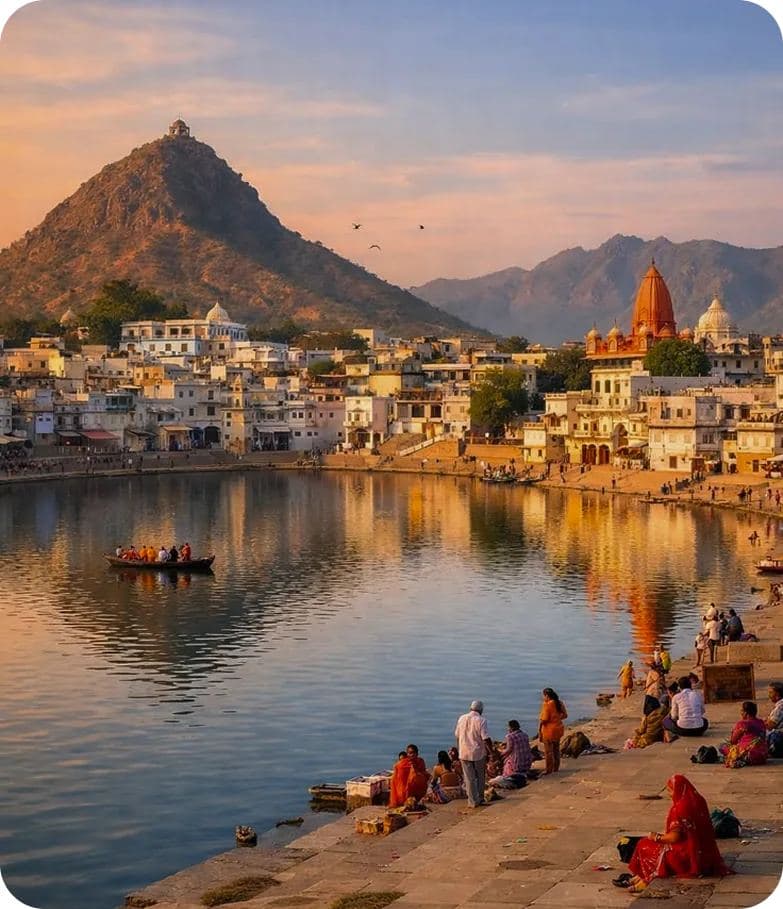
The Pushkar Camel Fair is an annual livestock fair and cultural festival in Rajasthan, timed around the Kartik Purnima full moon, which usually places it in October or November. What started as a camel and cattle trading fair now runs alongside camel races, folk performances and a large gathering for ritual bathing in Pushkar Lake on the full moon itself.
Travel guideFestivals & Events
Kumbh Mela
Kumbh Mela is a mass Hindu pilgrimage gathering held at one of four rotating riverside sites — Haridwar, Prayagraj, Nashik and Ujjain — on a cycle determined by astrological calculation, roughly every twelve years at each site, with an Ardh (half) Kumbh at the midpoint. It is not an annual event, and the exact dates and specific site for the next occurrence should be confirmed from an official source rather than assumed.
Travel guideFestivals & Events
Rath Yatra, Puri
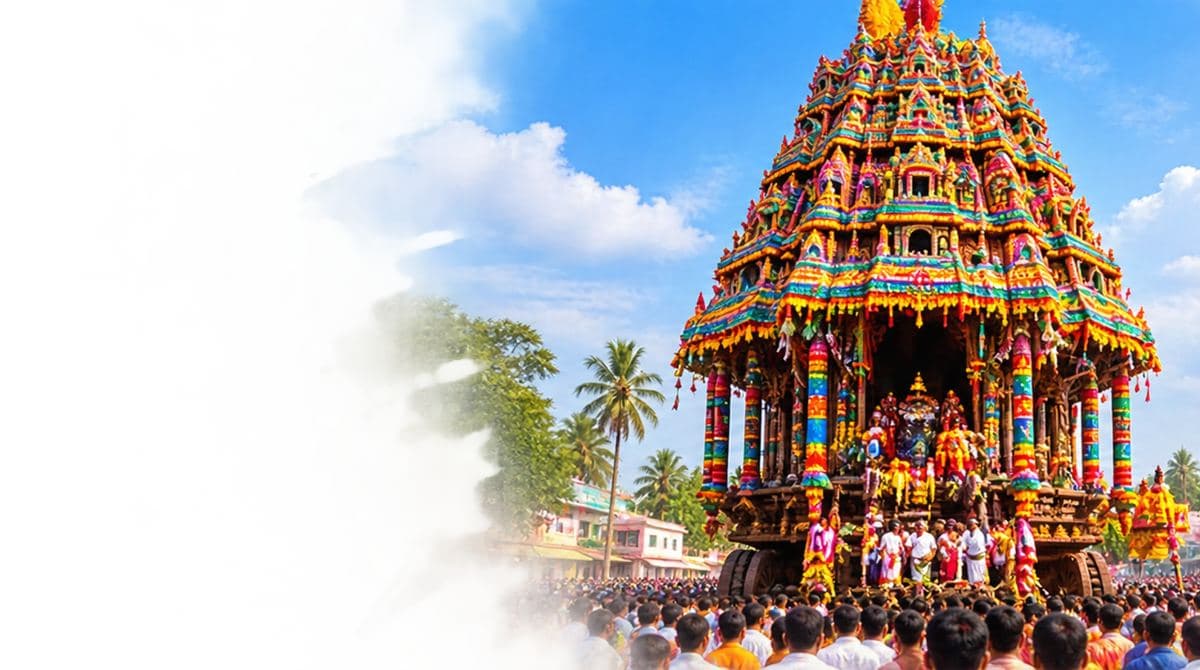
The Rath Yatra at Puri, Odisha, is a major Hindu chariot festival in which the deities Jagannath, Balabhadra and Subhadra are pulled through the streets in three massive wooden chariots, built fresh each year. It falls on the second day of the bright lunar fortnight in the Hindu month of Ashadha, typically placing it in June or July.
Travel guideFestivals & Events
Onam
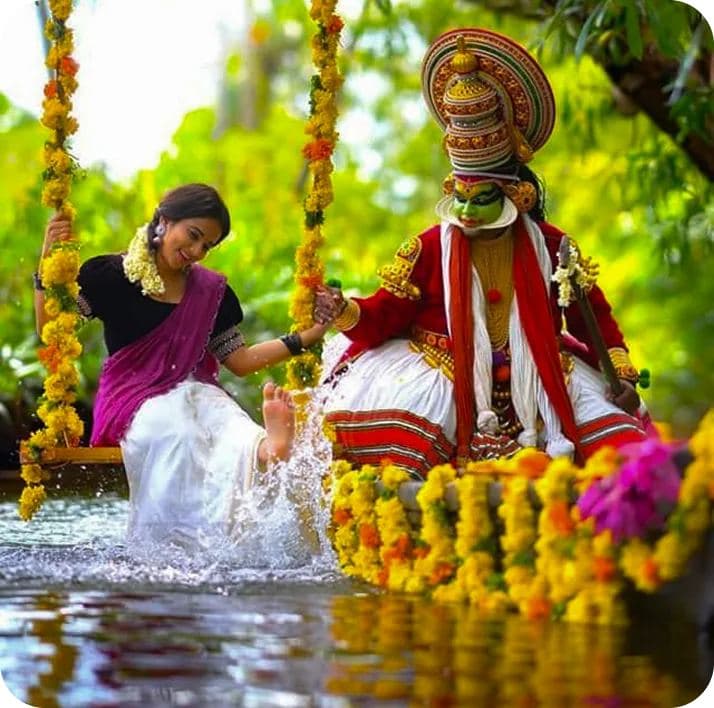
Onam is Kerala's major harvest festival, a ten-day celebration in the Malayalam calendar month of Chingam, which typically places it in August or September. It features pookalam flower-carpet displays, snake-boat races on the backwaters, and the elaborate Onam sadya vegetarian feast, and is as much a cultural and secular celebration in Kerala as a religious one.
Travel guideFestivals & Events
Durga Puja
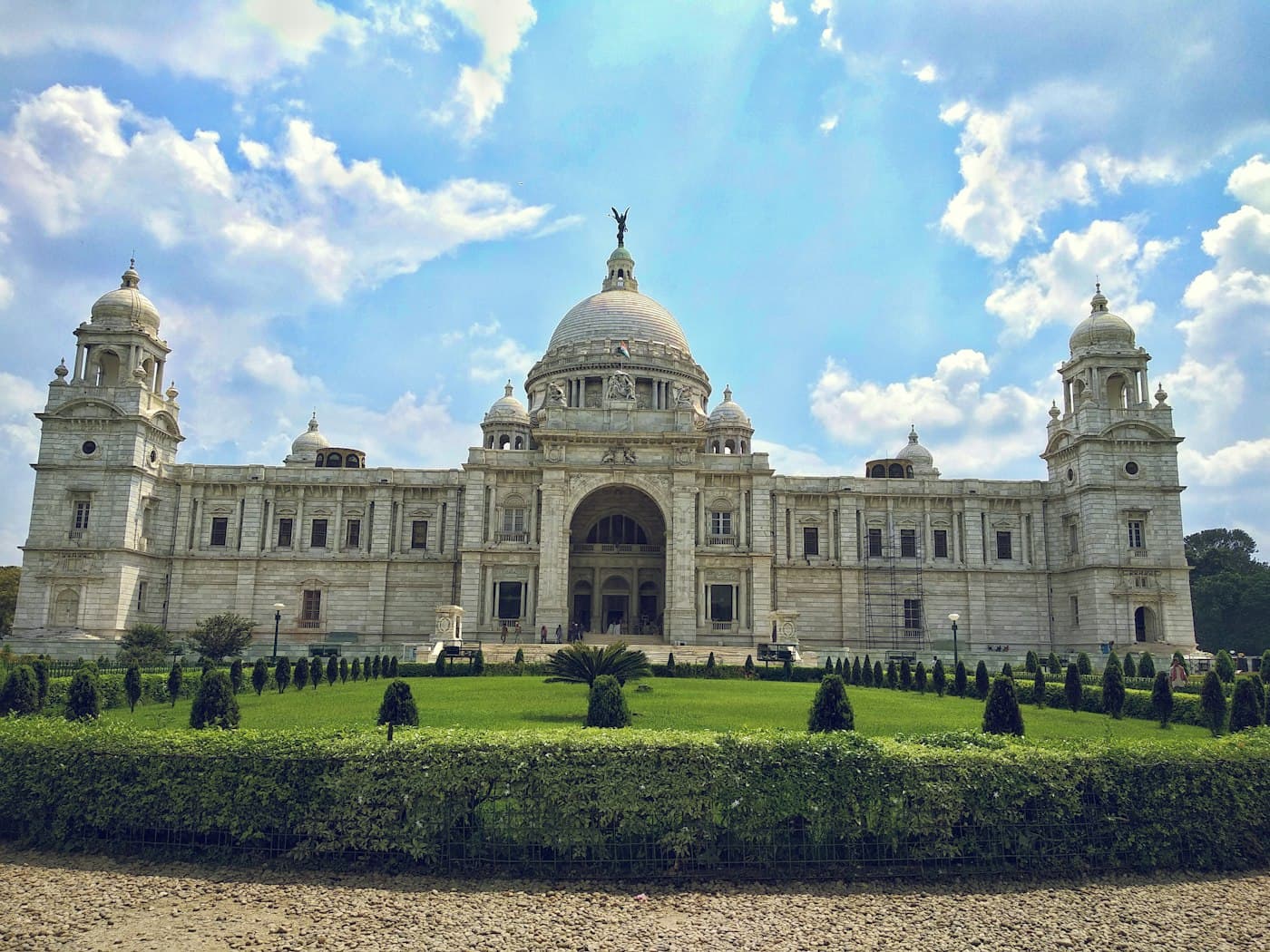
Durga Puja is West Bengal's largest festival, a multi-day celebration of the goddess Durga marked by elaborate, often artistically ambitious pandals (temporary structures) across Kolkata, timed to the Hindu month of Ashwin — the same lunar period as Navratri elsewhere in India — which typically places it in September or October.
Travel guideFestivals & Events
Hemis Festival
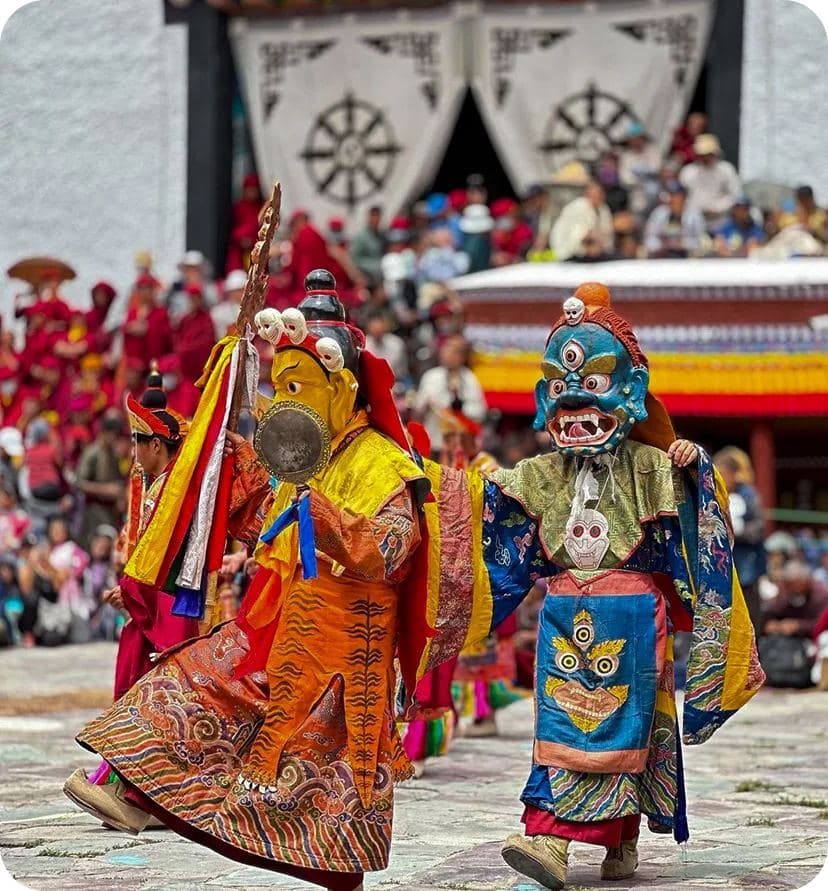
The Hemis Festival is held at Hemis Monastery in Ladakh, celebrating the birth of Guru Padmasambhava with elaborate masked cham dances performed by monks in the monastery courtyard, timed to the Tibetan lunar calendar, which typically places it in June or July.
Travel guideFestivals & Events
Rann Utsav
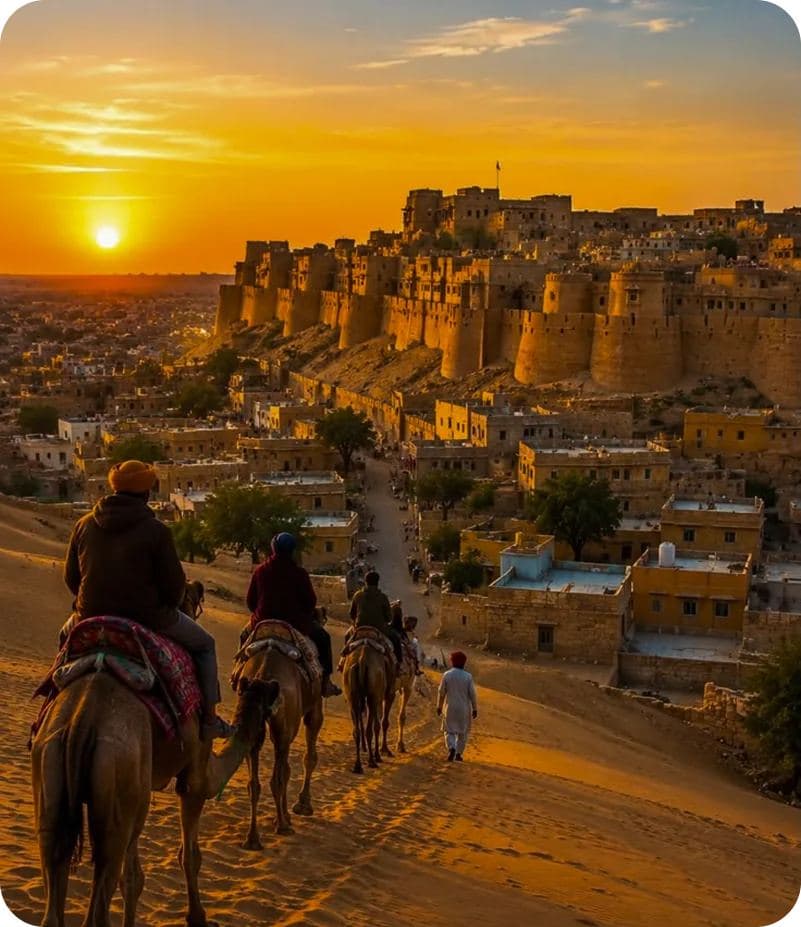
Rann Utsav is a tourism festival held over a season, not a single date, at the White Rann of Kutch in Gujarat — typically running from around November to February each year, coinciding with the cooler, dry months when the salt desert is accessible and comfortable to visit. Tented camps, folk music and dance, and full-moon nights over the white salt flat are the highlights.
Travel guideFestivals & Events
Jaipur Literature Festival
The Jaipur Literature Festival is a major annual literary event held in Jaipur, typically in January, drawing prominent authors and thinkers for public talks and discussions, many of them free to attend, alongside a genuinely large public crowd rather than a niche literary gathering.
Not sure which to pick? Plan it with a specialist.
Tell us your dates and pace. You receive a written itinerary and quote first; nothing is charged to start planning.
Browse by theme
Frequently asked questions
Why do Hindu festival dates change every year?
Most follow a lunar or lunisolar calendar, where months are tied to the moon's phases rather than a fixed 365-day solar year, so the equivalent Gregorian date shifts. Makar Sankranti is the main exception, since it follows the solar calendar.
Where can I find this year's exact festival dates?
We link to an official or widely trusted calendar source on each festival's page rather than printing a number here that would need updating every year. (confirmed on enquiry)
Can you build a tour around a specific festival?
Yes — tell us which festival and roughly when, and we will confirm the current year's dates and build an itinerary around it.
Which festivals are worth travelling specifically for?
Holi in the Braj region (Mathura-Vrindavan), the Pushkar Camel Fair, Durga Puja in Kolkata, and Hemis Festival in Ladakh are among the most visually striking and worth planning a trip around.
About India's festivals and events
India's festival calendar runs year-round, from Makar Sankranti's kite-flying in January to the Pushkar Camel Fair in autumn. Most Hindu festivals fall on lunar or lunisolar dates that shift each year against the Gregorian calendar, so this hub describes the typical season for each and points to the official calendar for exact current-year dates rather than fixing a date that would be wrong most years.
Why we don't print exact festival dates here
Most of India's major festivals — Holi, Diwali, Maha Shivratri, Ram Navami, Hanuman Jayanti and others — follow the Hindu lunar or lunisolar calendar, so their Gregorian date shifts every year. A handful, like Makar Sankranti, follow the solar calendar and land on very nearly the same date each year. We say which is which on every festival page, and point to a live official source for the current year's exact date rather than printing a number that would be wrong most years.
Festivals covered on this site
- Holithe festival of colours, usually March
- Diwalithe festival of lights, usually October/November
- Makar Sankrantithe sun's transit into Capricorn, close to a fixed mid-January date
- Maha ShivratriShiva's night, usually February/March
- Ram NavamiRama's birth, usually March/April
- Hanuman JayantiHanuman's birth, usually April
- Pushkar Camel FairRajasthan's desert fair, usually October/November
- Kumbh Melathe mass pilgrimage gathering, occasional, at rotating sites
- Rath Yatra, PuriJagannath's chariot festival, usually June/July
- OnamKerala's harvest festival, usually August/September
- Durga PujaWest Bengal's major festival, usually September/October
- Hemis FestivalLadakh's monastery festival, usually June/July
- Rann UtsavGujarat's White Desert festival season, usually November to February
- Jaipur Literature Festivalusually January
How we plan around a festival
Some festivals reward being in a specific city (Holi in Mathura-Vrindavan, Durga Puja in Kolkata); others are worth avoiding if you dislike crowds and closed shops (much of the country slows down around Diwali). We tell you honestly which is which on each festival's own page, rather than presenting every festival as an unmissable trip highlight.
Live, month-by-month planning
Our what's-on-this-month page is updated to reflect the current month specifically. For the full year-round calendar with movable dates, our /plan/india-festivals-calendar/ guide is the more complete reference.
Why book with Experience My India
Government-approved operator
Approved by the Ministry of Tourism, Government of India
500+ vetted local guides
35+ destination specialists plan every trip by hand.
Human help, every day
Mon–Sun, 9:00 AM – 9:00 PM IST · +91 73022 65809
No payment until you approve
You receive a written quote first; nothing is charged to start planning.
Plan a trip
Tailor-made quote from a specialist