
Last updated:
Makar Sankranti 2026: date, significance and rituals
Founder, Experience My India · IIT Jodhpur
Makar Sankranti marks the sun's transit into Capricorn and the start of the harvest season across India. It is fixed by the solar calendar, so it usually falls on 14 January, occasionally 15 January, and is celebrated differently by region — kite-flying in Gujarat and Rajasthan, holy river dips at Sangam and Ganga Sagar, and harvest feasts of til-gud sweets and khichdi in the north.
What Makar Sankranti celebrates
Makar Sankranti marks the sun's transit into Capricorn (Makar) and the start of Uttarayan, the sun's northward journey — traditionally read as the beginning of the harvest season and of longer, warmer days across much of India.
When it falls in 2026
Makar Sankranti is fixed by the solar calendar rather than the lunar one, so unlike most Hindu festivals its date barely moves from year to year: it usually falls on 14 January, occasionally 15 January. For 2026, treat 14 January as the working date, but confirm the exact punya kaal (auspicious window) timing with a current panchang closer to your travel dates, since that detail varies by location and calendar authority.
How it's celebrated, region by region
- Gujarat and Rajasthan (Uttarayan) — kite-flying festivals fill the skies over Ahmedabad and Jaipur.
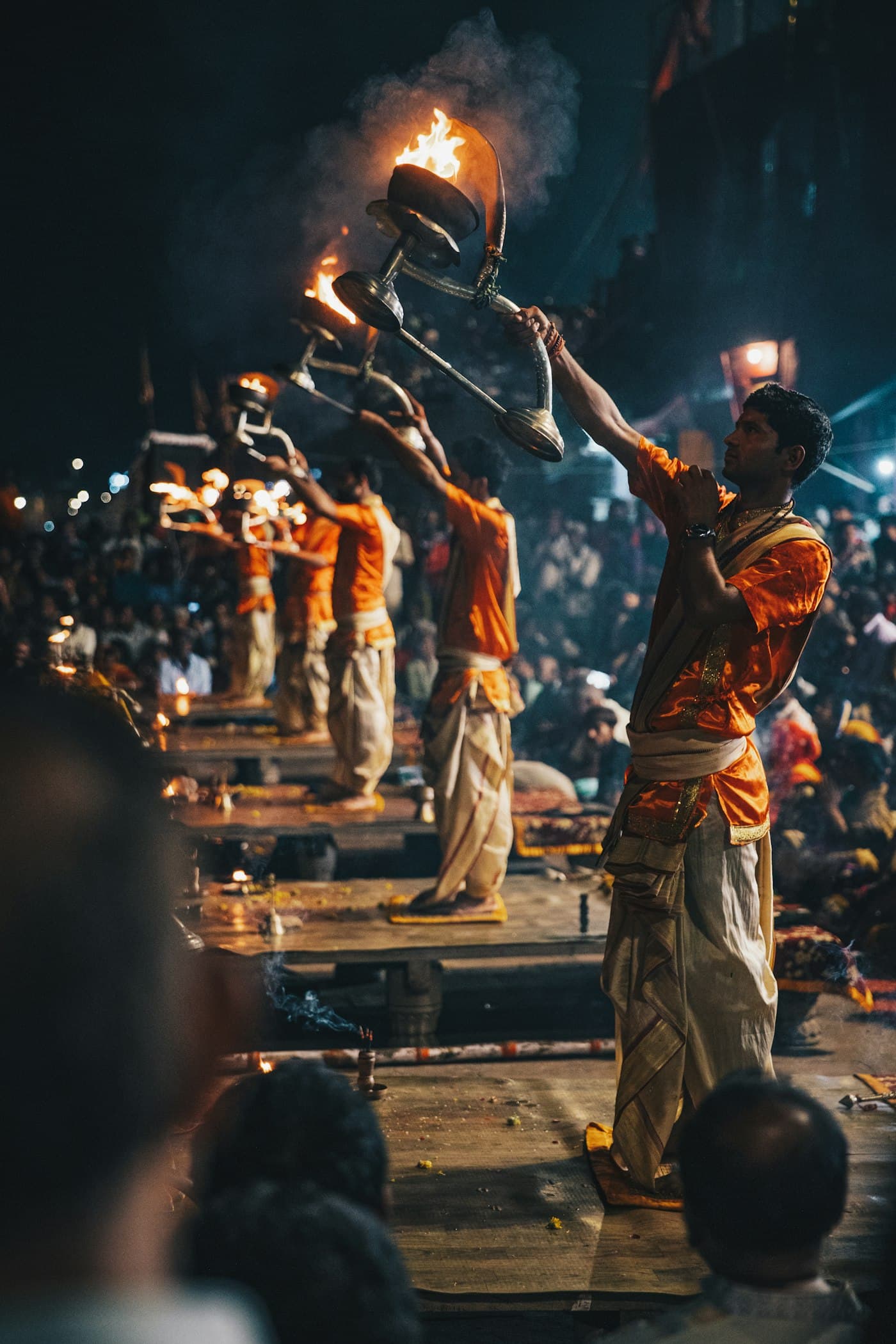
- Uttar Pradesh and Bihar — holy dips at the Sangam in Prayagraj and along the Ganga.
- West Bengal and Odisha (Poush Sankranti / Makar Mela) — river-mouth pilgrimages, notably Ganga Sagar.
- Punjab (Lohri, the night before) — bonfires and harvest songs.
- Tamil Nadu (Pongal, around the same period) — a separate but related harvest festival with its own rituals.
Food of the season
- Til-gud (sesame and jaggery) sweets, eaten for the warmth they're believed to bring in mid-winter.
- Khichdi, especially across north India.
- Fresh sugarcane and sugarcane-based sweets.
Practical tips for travellers
- Book kite-festival viewing in Jaipur or Ahmedabad ahead of the date.
- Dress warmly for early-morning river dips — mid-January mornings are cold.
- Respect ritual space at pilgrimage sites; a local guide helps you know where to stand.
- Mid-January weather across north India is generally cool and pleasant for sightseeing.
Frequently asked questions
What does Makar Sankranti celebrate?
The sun's transit into Capricorn and the start of the harvest season.
Does the date of Makar Sankranti change every year?
Barely — it's fixed by the solar calendar, so it's usually 14 January and occasionally 15 January.
Where is the best place to see kite festivals?
Jaipur and Ahmedabad.
Is Makar Sankranti the same as Pongal?
They're related harvest festivals around the same time of year, but with different rituals.
What should I eat during Makar Sankranti?
Til-gud sweets and khichdi are the classic choices.
Related guides
Why book with Experience My India
Government-approved operator
Approved by the Ministry of Tourism, Government of India
500+ vetted local guides
35+ destination specialists plan every trip by hand.
Human help, every day
Mon–Sun, 9:00 AM – 9:00 PM IST · +91 73022 65809
No payment until you approve
You receive a written quote first; nothing is charged to start planning.
Browse by theme


Plan a trip
Tailor-made quote from a specialist