
Last updated:
Money and SIM cards for visitors
By Experience My India Editorial Team
Destination specialists and licensed local guides

Currency exchange, card use and mobile connectivity for a visitor to India carry a few practical rules worth knowing in advance — cash still matters more than in many Western countries, and mobile SIM registration works differently for foreign-passport holders — but the exact regulatory limits and current procedures should be confirmed with your bank or the relevant Indian authority rather than taken as fixed here. (confirmed on enquiry)
This is practical guidance, not financial or regulatory advice
We are a travel operator, not a bank, a currency-exchange licensee or a telecoms regulator. What follows is general, practical guidance based on how our travellers typically manage money and connectivity — for anything with a specific regulatory limit (currency import/export limits, foreign exchange rules, SIM registration requirements), confirm directly with your bank, the Reserve Bank of India's public guidance, or your mobile provider. (confirmed on enquiry)
Money, practically speaking
- Cash still matters — many smaller shops, local transport and rural stops don't take cards; carrying some Indian rupees in cash is genuinely useful even on a well-planned trip.
- International cards are widely accepted at hotels, larger restaurants and shops in cities, less reliably in smaller towns.
- ATMs are common in cities; check your home bank's foreign transaction fees before relying on them heavily.
- Currency exchange counters at airports are convenient but often less favourable than a bank or city exchange counter — a small amount at the airport for immediate needs, more later, is a common approach.
SIM cards and connectivity
- A local prepaid SIM is available at the airport or in most cities, with your passport required for mandatory registration.
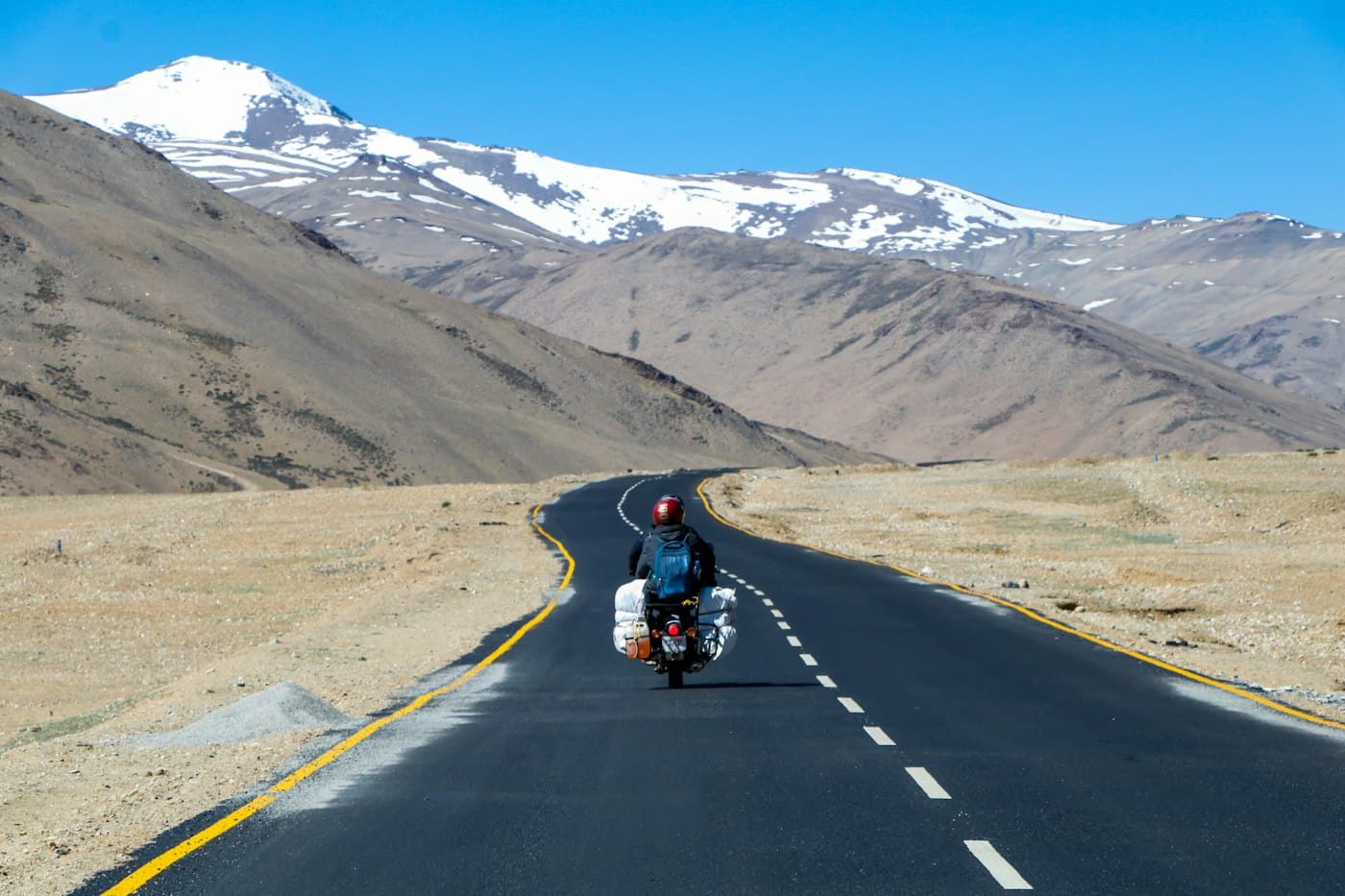
- International eSIMs generally work well across most of the country; coverage is genuinely limited in remote regions, notably parts of Ladakh, where only certain postpaid SIMs on specific networks work reliably.
- Activation of a new local SIM can take a few hours to a day — plan your first day's connectivity needs accordingly rather than assuming instant activation.
For OCI and NRI travellers specifically
If you hold Indian bank accounts or an NRI/OCI-specific banking relationship, your own bank's rules on card use and cash withdrawal while in India may differ from a purely foreign-passport visitor's — check directly with your bank before travelling rather than assuming standard tourist guidance applies.
Frequently asked questions
How much cash should I carry?
Enough for smaller purchases, local transport and rural stops where cards aren't accepted — the right amount varies by trip, and we can suggest a rough figure once we know your itinerary, though you should also confirm any relevant currency import limits with your own bank.
Can I use my home debit or credit card in India?
Widely, in cities and at hotels — check your bank's foreign transaction fees and notify them of travel dates to avoid a card being flagged.
How do I get a local SIM card?
At the airport on arrival, or at a shop in most cities, with your passport for mandatory registration — allow a few hours to a day for activation.
Do NRI bank accounts work differently for card use in India?
Possibly — rules can differ from a standard foreign visitor's. Confirm directly with your bank before travelling.
Related guides
Why book with Experience My India
Government-approved operator
Approved by the Ministry of Tourism, Government of India
500+ vetted local guides
35+ destination specialists plan every trip by hand.
Human help, every day
Mon–Sun, 9:00 AM – 9:00 PM IST · +91 73022 65809
No payment until you approve
You receive a written quote first; nothing is charged to start planning.
Browse by theme










Plan a trip
Tailor-made quote from a specialist