
Last updated:
Accessible Travel in India: An Honest Guide
By Experience My India Editorial Team
Destination specialists and licensed local guides
India's accessibility infrastructure is uneven: modern hotels and airports are generally well equipped, while historic forts, palaces and ghats often involve steps and uneven stone that are genuinely difficult for wheelchair users or travellers with limited mobility. Careful, specific planning ahead of time matters more here than almost anywhere else.
The honest picture
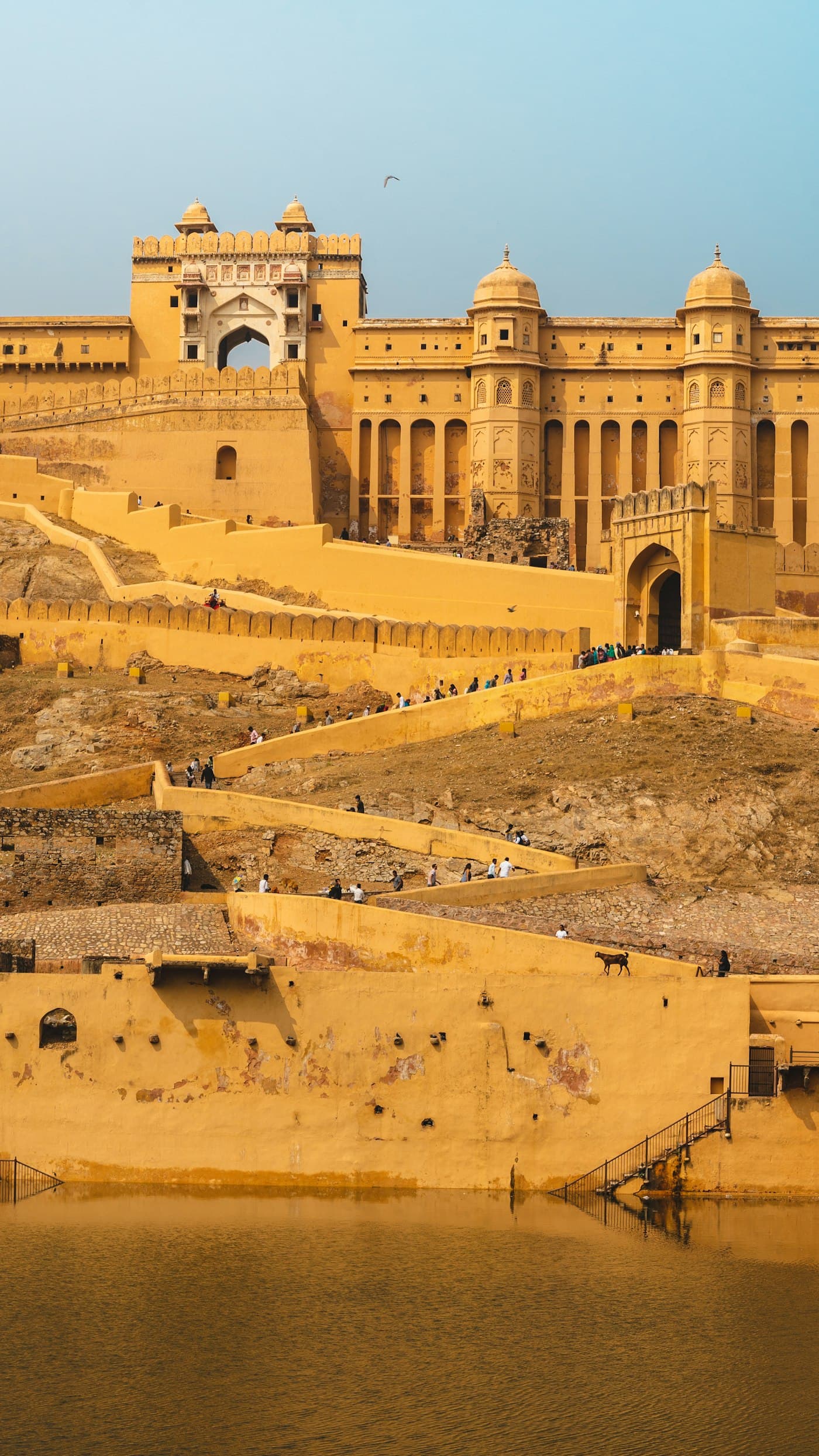
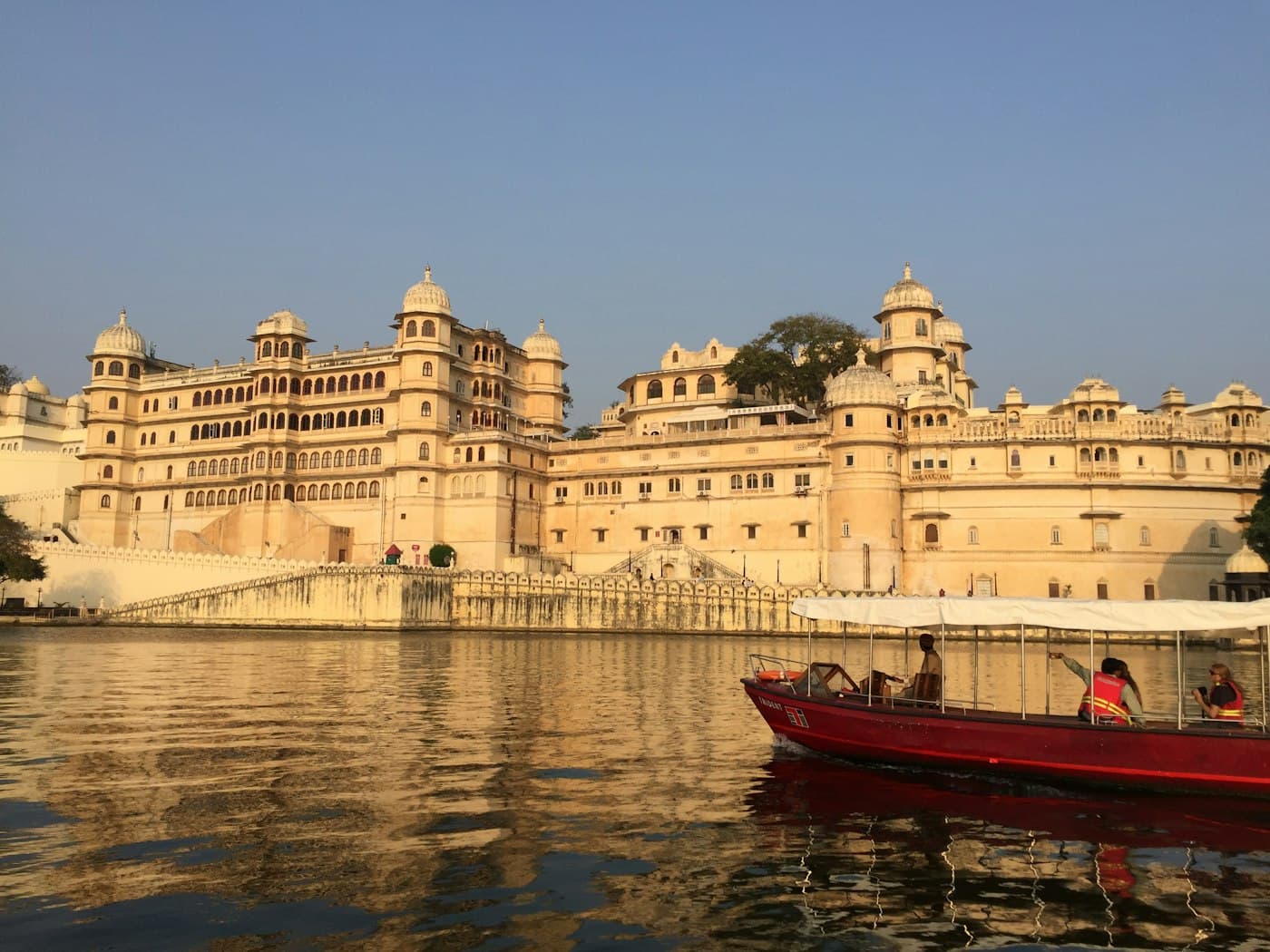
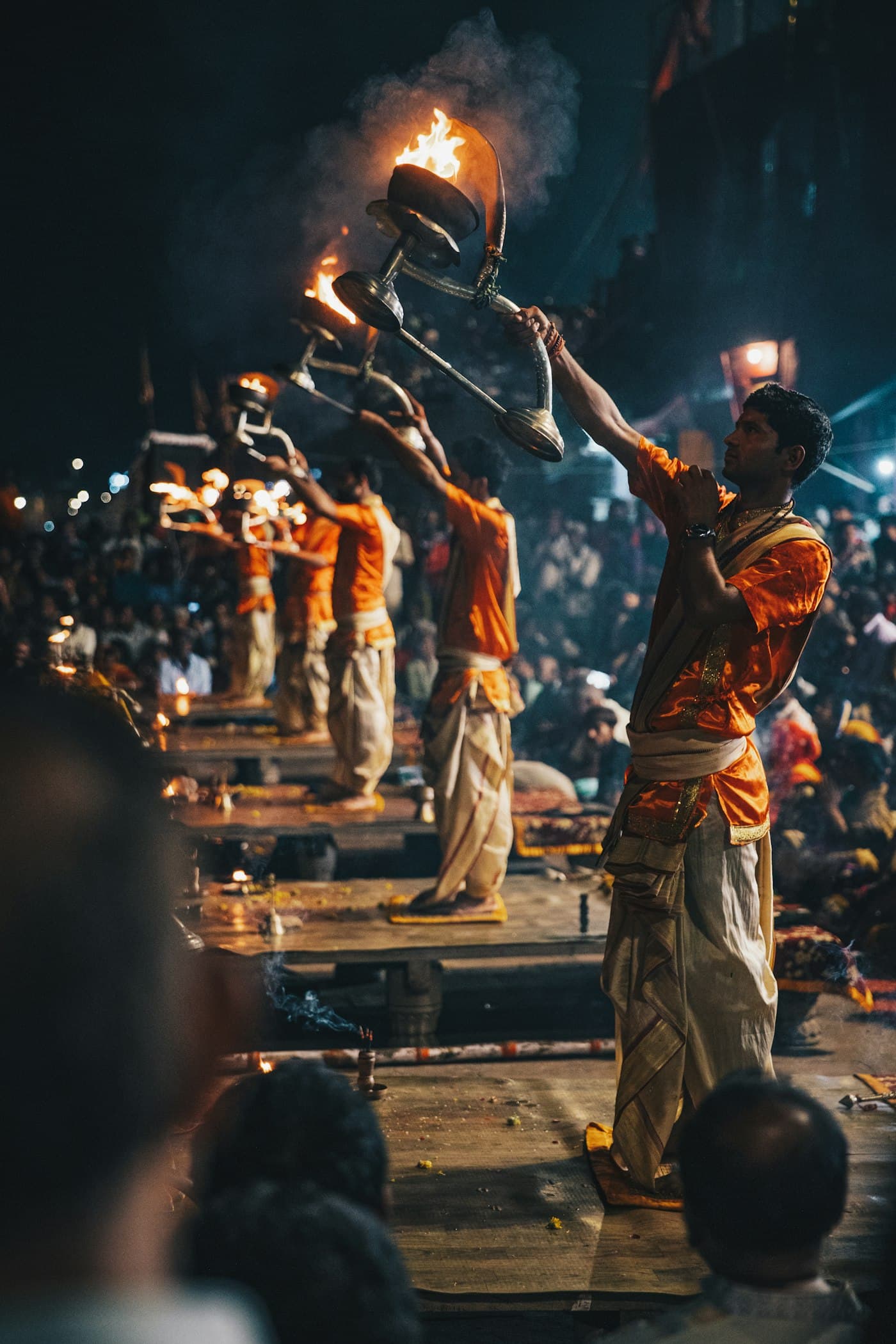
We would rather say this plainly than gloss over it: accessibility in India is uneven. Modern hotels, airports and shopping centres are generally well equipped with lifts and ramps. Many of the country's biggest draws, though, including centuries-old forts, palaces and ghats, were never built with step-free access in mind, and often involve stairs, uneven stone, or gravel paths that are genuinely difficult for wheelchair users or travellers with limited mobility.
What helps most
A private vehicle and guide who knows the ground at each specific site helps enormously — they can tell you in advance which parts of a fort or temple are realistically manageable and which aren't, rather than finding out on the day. Planning with a specialist who can ask these questions ahead of a trip is worth more here than in almost any other kind of India travel.
Places that tend to be easier, and harder
- Easier — modern hotels, airports, malls and many museums, most of which have lifts and ramps.
- Harder — older forts and palaces (many involve significant stairs), ghats and riverside sites (steps and uneven stone), and some temples with strict footwear or approach requirements.
Practical advice
- Tell your operator your specific needs in detail before booking, not just "I need accessible travel" — the right plan depends on exactly what helps you.
- Where possible, travel with a companion for the sites that are genuinely difficult to navigate solo.
- Confirm room specifics (roll-in shower, step-free entry) directly with the hotel, rather than assuming from a general listing.
- Build slower days with fewer sites, so no single day depends on a difficult access point going smoothly.
Frequently asked questions
Is India accessible for wheelchair users?
It's mixed — modern hotels and airports are generally well equipped, but many historic sites involve stairs or uneven ground.
Are Indian forts and palaces wheelchair accessible?
Often only partially — many involve significant stairs, so check specific sites in advance with your operator.
What's the best way to plan an accessible India trip?
Tell a specialist your specific needs in detail, and travel with a private vehicle and guide who knows each site's access on the ground.
Are Indian hotels generally accessible?
Modern hotels usually are; always confirm specific room features like roll-in showers directly with the property.
Related guides
Why book with Experience My India
Government-approved operator
Approved by the Ministry of Tourism, Government of India
500+ vetted local guides
35+ destination specialists plan every trip by hand.
Human help, every day
Mon–Sun, 9:00 AM – 9:00 PM IST · +91 73022 65809
No payment until you approve
You receive a written quote first; nothing is charged to start planning.
Browse by theme







Plan a trip
Tailor-made quote from a specialist