
Last updated:
A vegetarian traveller's guide to India
By Experience My India Editorial Team
Destination specialists and licensed local guides
India has one of the largest vegetarian populations in the world, and vegetarian food is the mainstream, easily available option almost everywhere, from South Indian dosa and Kerala's sadya to Gujarati and Rajasthani thalis. Strict vegan travel is harder, since ghee and dairy feature in much everyday cooking, and Jain travellers (no onion, garlic or root vegetables) will need to ask specifically, though most kitchens can accommodate it with notice.
How easy is vegetarian travel in India?
India has one of the largest vegetarian populations in the world, and this shows up everywhere in daily life: vegetarian menus are the default rather than an afterthought in most restaurants, and dedicated vegetarian and 'pure veg' restaurants are common in every city. South India in particular is strong for vegetarians, with Tamil Nadu and Kerala's cuisines built naturally around rice, lentils, coconut and vegetables, while Gujarat and Rajasthan in the north are known for elaborate all-vegetarian thalis. This makes India, on balance, one of the easier countries in the world to travel through as a vegetarian.
Vegetarian versus vegan: the honest difference
Vegetarian is easy. Vegan is a real step up in difficulty, because ghee (clarified butter), yoghurt and paneer (a fresh cheese) are used throughout everyday Indian cooking, including in many dishes that look plant-based at first glance. A vegan traveller needs to ask specifically about ghee and dairy in almost every dish, whereas a vegetarian traveller can eat comfortably from most menus without extensive questioning.
Pros
- Vegetarian food is the mainstream default in large parts of India, not a niche request
- South Indian cuisine (Tamil Nadu, Kerala) is naturally rich in vegetarian options
- Dedicated all-vegetarian restaurants are common in most cities
- Feast-style meals such as Kerala's sadya are entirely vegetarian by tradition
Cons
- Vegan travel requires actively asking about ghee, yoghurt and paneer in almost every dish
- Jain requirements (no onion, garlic or root vegetables) need advance notice, especially for cooking classes and feast-style meals
- Some regional specialities (Kashmiri wazwan, Chettinad cooking) are built around meat and need a specific vegetarian substitution to be arranged
Region by region
- South India (Tamil Nadu, Kerala, Karnataka): naturally vegetarian-strong; dosa, idli, sambar, rasam and Kerala's sadya are all classically vegetarian.
- West India (Gujarat, Rajasthan): elaborate all-vegetarian thalis are a regional speciality in their own right.
- North India (Delhi, Uttar Pradesh, Punjab): vegetarian options are widespread alongside meat dishes; paneer-based curries are common.
- Kashmir: predominantly meat-focused (the wazwan feast), but vegetarian versions can be arranged with notice.
- Coastal regions (Goa, Mumbai, Bengal): more seafood-forward, so vegetarians should ask specifically when ordering.
Practical tips
- Learn the phrase for 'no onion, no garlic' if travelling Jain, as it is a specific and recognised dietary category in India, not an unusual request.
- 'Pure veg' on a restaurant sign means the kitchen serves no meat, fish or eggs at all, useful for strict vegetarians wanting to avoid any cross-contamination risk.
- Street food and snacks are very often vegetarian by default (chaat, dosa, pav bhaji), making them an easy category to explore without extensive questioning.
- Tell your guide or host about dietary needs in advance for feast-style meals and cooking classes, where the menu is often planned ahead rather than ordered a la carte.
Frequently asked questions
Is it hard to be vegetarian in India?
No, it is one of the easier countries in the world for vegetarians, since vegetarian food is mainstream rather than a special request in most regions.
Is it hard to be vegan in India?
Harder than being vegetarian, because ghee, yoghurt and paneer appear throughout everyday cooking. It's manageable with specific questions at each meal, but requires more effort than vegetarian travel.
What does 'Jain food' mean?
Jain dietary practice excludes onion, garlic and root vegetables alongside meat, fish and eggs. It's a well-recognised category in India and most kitchens can accommodate it with advance notice.
Which regions are best for vegetarian food?
South India (Tamil Nadu, Kerala) and the west (Gujarat, Rajasthan) are particularly strong, with naturally vegetarian cuisines and elaborate all-vegetarian feasts and thalis.
Can I get vegetarian versions of meat-heavy regional feasts like the Kashmiri wazwan?
Yes, with advance notice; ask us when booking and we will confirm a vegetarian substitution with the host or venue.
Are eggs considered vegetarian in India?
Not by the Indian definition; 'vegetarian' in India typically excludes eggs as well as meat and fish, so specify if you do eat eggs.
Experiences to book
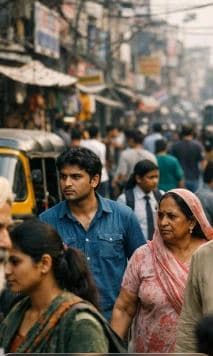
Food & Culinary
Old Delhi street food walk
Private tour
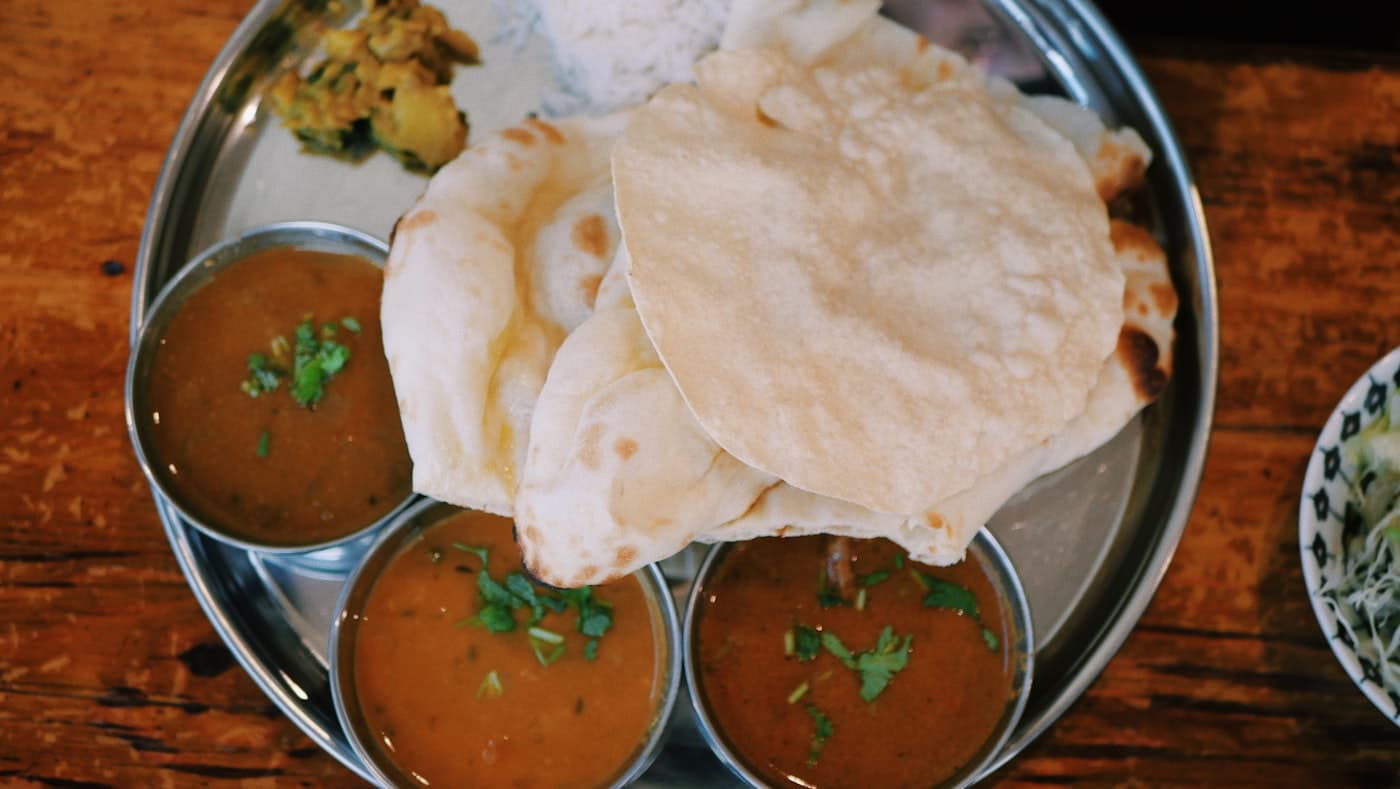
Food & Culinary
Jaipur cooking class
Private tour
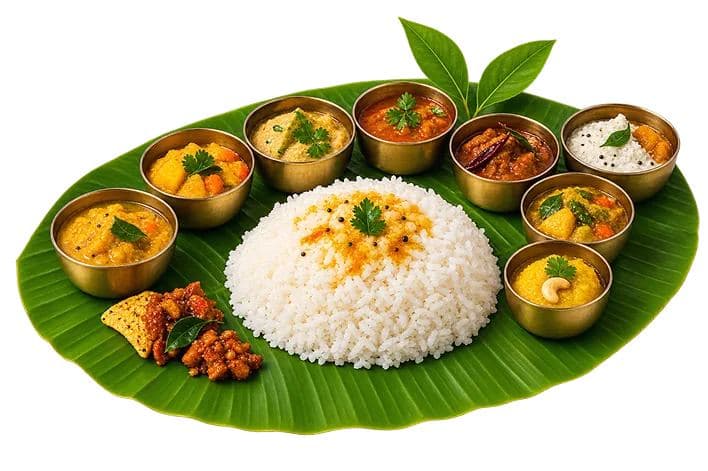
Food & Culinary
Kerala sadya experience
Private tour
Why book with Experience My India
Government-approved operator
Approved by the Ministry of Tourism, Government of India
500+ vetted local guides
35+ destination specialists plan every trip by hand.
Human help, every day
Mon–Sun, 9:00 AM – 9:00 PM IST · +91 73022 65809
No payment until you approve
You receive a written quote first; nothing is charged to start planning.
Browse by theme



Plan a trip
Tailor-made quote from a specialist